Effective ecommerce marketing strategies form the backbone of every successful online store, connecting products with the right audience at the right time. As online shopping continues to expand globally, competition among ecommerce brands has intensified. Thousands of stores compete for visibility, attention, and trust, making structured marketing efforts more important than ever.
Without a clear plan, businesses struggle to turn website visitors into loyal customers. Traffic alone is not enough. Brands must create meaningful engagement and guide potential buyers through a seamless journey that leads to conversions. This is where structured digital marketing for ecommerce becomes essential.
From search visibility and social engagement to personalized email campaigns and paid advertising, expert digital marketing agencies focus on building connected systems that drive measurable growth. In this guide, you will learn the key benefits, proven tactics, and practical tools that help increase sales and conversions in a competitive ecommerce environment.
Benefits of Ecommerce Marketing Strategies
Well-planned digital marketing strategies for ecommerce create a structured path for attracting, converting, and retaining customers. The benefits below demonstrate why investing in a clear marketing framework is critical for sustainable growth.
1. Increased Website Traffic
Strong ecommerce marketing tactics such as search engine optimization, paid advertising, and social media campaigns attract highly targeted visitors. SEO helps your store rank for relevant keywords, while PPC campaigns drive immediate visibility. Social platforms expand reach and introduce products to new audiences. Together, these channels increase qualified traffic that is more likely to convert into customers.
2. Higher Conversion Rates
Driving traffic is only the first step. Optimized sales funnels, strategic landing pages, and conversion rate optimization techniques turn visitors into buyers. Personalization, product recommendations, streamlined checkout processes, and persuasive copy reduce friction. When marketing and user experience align, businesses see measurable improvements in add-to-cart rates, completed purchases, and overall revenue.
3. Better Customer Retention
Acquiring new customers is expensive, which makes retention critical. Email marketing, loyalty programs, and remarketing campaigns keep your brand top-of-mind. Personalized follow-ups, exclusive discounts, and post-purchase engagement increase repeat purchases. By nurturing existing customers, ecommerce brands improve lifetime value and create a stable revenue base.
4. Improved Brand Visibility
Omnichannel marketing ensures your brand appears consistently across search engines, social platforms, email, and advertising networks. Consistent messaging, visuals, and tone strengthen brand recognition. When customers encounter your store multiple times across channels, trust builds naturally, increasing the likelihood of conversions.
5. Stronger Customer Relationships
Segmentation and personalization allow brands to deliver relevant content and offers. Instead of sending generic messages, businesses can tailor communication based on behavior, interests, and purchase history. Post-purchase engagement, feedback requests, and educational content build trust and long-term loyalty. Strong relationships translate into repeat sales and positive word-of-mouth referrals.
6. Measurable and Scalable Growth
One of the biggest advantages of digital marketing for ecommerce is data transparency. Analytics tools track traffic sources, campaign performance, and customer behavior. Automation enables scalable campaigns without increasing manual workload. Businesses can test strategies, refine targeting, and expand successful campaigns confidently, ensuring consistent and predictable growth.
Proven Ecommerce Marketing Tactics
Successful ecommerce digital marketing strategies rely on a combination of acquisition, engagement, and conversion-focused methods. The strategies below provide a comprehensive framework for building sustainable online growth.
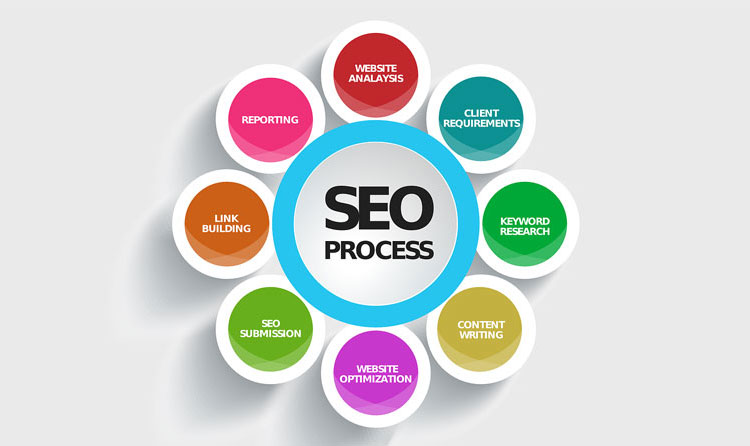
1. Search Engine Optimization (SEO)
- Keyword Intelligence & Mapping: Move beyond high-volume terms. Focus on “Long-Tail” keywords which have lower competition and higher conversion intent (e.g., “organic cotton yoga mats for beginners” vs. just “yoga mats”). Map these keywords specifically to category pages versus blog posts.
- Technical Performance: Google’s “Core Web Vitals” are critical. You must optimize your Largest Contentful Paint (LCP) and Cumulative Layout Shift (CLS). If your site “jumps” while loading, your rankings will suffer.
- Backlink Profile: Quality over quantity. One link from a reputable industry publication or a high-traffic gift guide is worth more than a hundred low-quality directory links.
- Schema Markup: Use JSON-LD structured data to tell search engines exactly what your price, availability, and star ratings are. This creates “Rich Snippets” in search results, which drastically improves click-through rates.
- Image Optimization: Ecommerce sites are image-heavy. Use WebP formats and descriptive, keyword-rich Alt-text to ensure your products show up in Google Image Search, a massive and often overlooked traffic source.
Ecommerce SEO is the foundation of sustainable growth. It’s not just about keywords; it’s about user intent and technical health.
For a deeper breakdown of advanced optimization techniques, technical frameworks, and implementation steps, read Ecommerce SEO: The Ultimate Guide to Boosting Online Sales.
2. Pay-Per-Click Advertising (PPC)
PPC is your “scalability” lever. When done correctly, you should be able to treat it like a vending machine: put $1 in, get $3+ out.
- Google Shopping (Performance Max): For ecommerce, PMax is the gold standard. It uses AI to distribute your ads across Search, YouTube, Display, and Gmail. The key here is providing high-quality “Creative Assets” (videos and headlines) so the AI has good material to work with.
- Meta Ads (Facebook/Instagram): Use Broad Targeting combined with high-quality “Creative Testing.” Modern algorithms are better at finding your customers than you are; focus your energy on the ad visual rather than granular interest targeting.
- Attribution Modeling: Don’t rely on “Last Click” attribution. Understand that a customer might see an ad on Pinterest, search for you on Google, and finally buy through an email. Use a data-driven attribution model to see the true value of your spend.
To understand how paid advertising can help increase online sales, read this detailed guide: PPC for Ecommerce: A Complete Guide to Driving More Online Sales.
3. Social Media Marketing
This is where your brand develops a “pulse.” It’s less about selling and more about building a cult-like following.
- Social Commerce Integration: Don’t just post pictures; tag your products. Platforms like Instagram and TikTok now allow for native checkout, removing the friction of clicking a “link in bio.”
- The 80/20 Content Rule: 80% of your content should provide value (entertainment, education, or inspiration), while only 20% should be a direct sales pitch.
- Community Management: Social media is a two-way street. Promptly responding to comments and DMs isn’t just “good service”—it signals to platform algorithms that your content is engaging, which increases your organic reach.
- Creator Partnerships: Shift from “Celebrity Influencers” to “Content Creators.” You want people who can produce high-quality video assets you can later use in your own ads.
For a detailed strategy breakdown, platform-specific tactics, and implementation roadmap, read Social Media Marketing for Ecommerce: A Comprehensive Guide.
4. Content Marketing
Content is how you stay relevant between purchases. It builds the “know, like, and trust” factor.
- The Pillar & Cluster Model: Write one massive “Pillar” guide (e.g., “The Ultimate Guide to Sustainable Fashion”) and then create 10 smaller “Cluster” articles that link back to it. This establishes massive topical authority with search engines.
- User-Generated Content (UGC) Libraries: Treat your customers as your creative department. Curate a library of customer videos and reviews to use in your marketing. It’s the most persuasive content you have because it isn’t “polished” by a brand.
- Video Mastery: Short-form video (Reels/Shorts) is currently the highest-reach format. Every product should have a “Problem/Solution” video showing it in action.
If you want to structure your content system for consistent traffic and stronger authority, explore 10 Ecommerce Content Marketing Strategies to Attract Customers.
5. Conversion Rate Optimization (CRO)
If you have 1,000 visitors and a 1% conversion rate, you have 10 sales. If you move that to 2%, you’ve doubled your business without spending a penny more on ads.
- Frictionless Checkout: Remove the header and footer during the checkout process to keep the user focused. Offer “Buy Now, Pay Later” (BNPL) options like Klarna or Affirm, which can increase Average Order Value (AOV) by up to 30%.
- Visual Hierarchy: Your “Add to Cart” button should be the most visually striking element on the page. Use contrasting colors that pop against your brand palette.
- Mobile-First Design: 70% or more of ecommerce traffic is mobile. If your mobile site is just a “shrunken” version of your desktop site, you are losing money. Design for the “thumb zone.”
- Social Proof Placement: Don’t hide reviews at the bottom. Place star ratings right under the product title and “Verified Buyer” badges near the checkout button.
- Exit-Intent Overlays: When a user moves their mouse toward the “X” on their browser, trigger a popup offering a discount or a lead magnet to capture their email before they leave forever.
6. Email Marketing
Your email list is the only traffic source you truly “own.” If Facebook goes down tomorrow, your email list stays.
- Revenue-Driving Automations:
- Abandoned Cart: 3-part series (Reminder -> Social Proof -> Small Discount).
- Browse Abandonment: For people who looked at a product but didn’t even add it to the cart.
- Win-Back: For customers who haven’t bought in 90 days.
- Advanced Segmentation: Move beyond “Male/Female” segments. Segment by “VIPs” (high spenders), “Coupon Hunters” (only buy on sale), and “Product Category Fans.”
- Predictive Replenishment: If you sell a product that lasts 30 days (like supplements or coffee), automate an email to go out on day 25 asking them if they need a refill.
7. SMS and Push Notification Marketing
This is your “Urgency” channel. It has a 98% open rate, usually within the first 3 minutes of sending.
- Transactional Transparency: Use SMS for the “boring” stuff—shipping confirmations and delivery alerts. This builds immense trust and reduces “Where is my order?” customer service tickets.
- VIP Early Access: Give your SMS subscribers a 2-hour head start on big sales. This makes the “interruption” of a text message feel like an exclusive benefit rather than a nuisance.
- Back-in-Stock Alerts: This is the highest-converting SMS type. When a popular item returns, a text message gets the customer back to the site faster than an email ever could.
Ecommerce Marketing Tools
Using the right tools for ecommerce digital marketing simplifies execution and improves efficiency. The tools below support analytics, automation, and campaign management.
Google Analytics
Google Analytics tracks website traffic, user behavior, and conversion performance. Businesses can identify top-performing channels, monitor bounce rates, and analyze sales funnels. Detailed reporting helps marketers make data-driven decisions and refine campaigns for better results.
Google Ads
Google Ads enables businesses to run search, display, and shopping campaigns. Advanced targeting options allow precise audience segmentation. Performance tracking and conversion measurement make it easier to optimize ad spend and maximize return on investment.
Meta Ads Manager
Meta Ads Manager supports advertising across social platforms. Businesses can create targeted campaigns, retarget website visitors, and analyze audience engagement. Detailed analytics provide insights into cost per conversion and overall campaign effectiveness.
Mailchimp
Mailchimp is an email marketing platform that offers automation, segmentation, and performance tracking. Ecommerce brands can design campaigns, create automated sequences, and monitor engagement metrics. Its integration capabilities make it a practical choice for growing online stores.
Klaviyo
Klaviyo specializes in ecommerce email and SMS marketing. Advanced segmentation and behavioral tracking allow highly personalized campaigns. Automated flows for abandoned carts and post-purchase follow-ups improve retention and increase revenue.
Hotjar
Hotjar provides heatmaps and session recordings to understand user behavior. Businesses can identify friction points and optimize user experience. Insights from real user interactions support effective conversion rate optimization strategies.
SEMrush
SEMrush supports keyword research, competitor analysis, and SEO audits. Ecommerce brands can track rankings, identify backlink opportunities, and optimize content strategies. It serves as a comprehensive platform for improving search visibility.
Closing Thoughts on Ecommerce Marketing Strategies
Implementing well-structured ecommerce marketing strategies enables online businesses to move beyond random promotional efforts and build predictable growth systems. From SEO and social media engagement to PPC advertising, content creation, and conversion rate optimization, each method plays a critical role in attracting and converting customers.
Consistency and testing remain essential. Markets evolve, customer behavior shifts, and competition increases. Brands that continuously analyze performance data and refine their approach achieve stronger results. A multi-channel strategy ensures broader reach while reducing dependency on any single traffic source.
Data-driven decisions, personalization, and customer-focused communication transform occasional buyers into loyal advocates. By applying these proven techniques and leveraging the right tools, ecommerce businesses can steadily increase sales, strengthen customer relationships, and create long-term profitability in a competitive digital landscape.