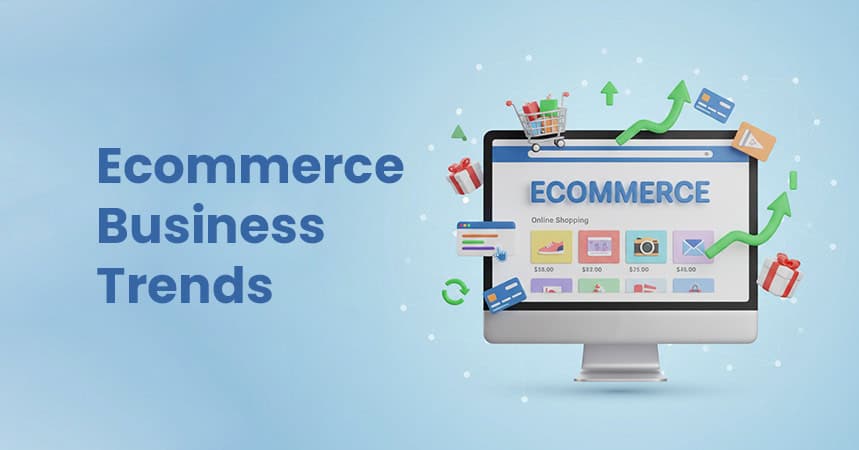
The world of online shopping is evolving at a pace never seen before, and ecommerce business trends in 2026 are set to redefine the very way consumers interact with brands. Businesses that fail to anticipate these changes risk falling behind, while those that adapt proactively can gain unprecedented advantages.
The online shopping ecosystem is no longer just about having an attractive storefront or competitive prices. Today, it’s about creating an immersive, seamless, and personalized experience that meets customer expectations in real-time. Following the right trends is crucial, as investing in outdated strategies or unnecessary gimmicks can drain resources without delivering meaningful returns.
Partnering with expert ecommerce development companies can help brands identify which technologies, design strategies, and operational improvements are worth prioritizing. Staying informed about these trends ensures companies can scale efficiently, delight their customers, and maintain relevance in an ever-competitive landscape. With careful planning, businesses can navigate the future of e-commerce with confidence and strategic clarity.
Major Ecommerce Business Trends
The e-commerce sector is experiencing rapid transformation, fueled by technological innovations and shifting consumer behaviors. Staying ahead requires understanding the trends shaping the industry and integrating them into business strategies.
The following are the most impactful ecommerce business trends defining the year. Each trend highlights how companies are adapting to deliver better experiences, optimize operations, and remain competitive in a crowded marketplace.
1. Agentic Commerce (AI Personal Shoppers)
AI has moved beyond simple chatbots or recommendation engines. Agentic commerce introduces autonomous AI assistants capable of conducting entire shopping journeys on behalf of consumers. These agents can:
- Research multiple brands and platforms for the best deals.
- Compare features, quality, and pricing of products.
- Execute purchases automatically once criteria are met.
For example, a shopper can instruct an AI agent to “find the best-rated eco-friendly winter boots under $150 and buy them,” and the system will handle the transaction across third-party platforms. Businesses must optimize product data, descriptions, and availability to ensure AI agents recommend their offerings effectively.
Agentic commerce benefits include:
- Reduced friction: Customers no longer spend hours browsing or comparing products manually, because AI agents handle the searching, filtering, and decision steps on their behalf, making the shopping journey smoother and faster.
- Increased conversion: Automated purchasing leads to higher transaction completion rates since AI agents buy immediately when the user’s set conditions are met, reducing hesitation, drop offs, and abandoned carts.
- Enhanced personalization: The AI continuously learns from user behavior, preferences, and previous purchases, allowing it to deliver highly tailored product suggestions that feel relevant and accurate for each individual shopper.
This trend signals a fundamental shift from reactive to proactive shopping experiences, redefining how brands interact with consumers.
2. Zero-Click Discovery
The conventional search-and-click model is gradually disappearing. Consumers increasingly rely on AI-powered search results that deliver full product overviews without requiring users to click through multiple pages. This evolution has introduced the concept of Zero-Click Discovery, where information such as pricing, reviews, and comparisons is displayed directly on the search results page.
For businesses, this means a shift from traditional SEO to AI Optimization (AIO):
Structuring product data to align with AI-driven recommendation systems
Businesses need to present product titles, attributes, images, descriptions, and specifications in clean, well-structured formats so AI systems can easily understand and surface them in answers and overview panels. This includes consistent naming conventions, clear feature lists, and organized product categories that help AI match products accurately with user intent.
Implementing schema markup for better machine readability
Using structured data markup such as product schema, review schema, FAQ schema, and offer schema helps search and AI engines recognize price, ratings, availability, brand, and key features automatically. This increases the chances of products appearing directly inside AI summaries, carousels, and zero-click result cards instead of being hidden behind multiple page visits.
Ensuring real-time inventory and price updates to stay competitive:
AI systems prioritize sources that provide fresh, reliable data, so outdated stock status or incorrect pricing can cause a brand to be filtered out. Keeping feeds synchronized with live inventory levels, discounts, and time-sensitive offers ensures that AI tools highlight your listings and customers receive accurate information at the exact moment they are ready to buy.
Zero-click discovery emphasizes that brands must focus on visibility within AI ecosystems, not just traditional search engines. Those that adapt will see higher engagement, while companies that ignore this trend may miss out on significant traffic and sales opportunities.
3. Social Commerce 2.0 (Video-First)
Social commerce has matured into a central pillar of online shopping. Platforms like TikTok, Instagram, and YouTube have fully integrated checkout systems, making live and short-form video content a primary driver of sales. Video-first social commerce allows brands to:
- Leverage influencer and creator marketing to reach target audiences: Brands collaborate with niche creators whose audiences already trust them, helping products feel more authentic and increasing conversion rates.
- Showcase products in dynamic, engaging formats: Videos allow shoppers to see products in real-life contexts, demonstrations, unboxings, and tutorials, which builds confidence far more than static images.
- Enable instant purchases without leaving the social platform: Integrated checkout removes extra steps, allowing viewers to buy directly from the video they are watching, significantly reducing drop-off during the buying journey.
Key elements of this trend include:
- Shoppable videos: Products are tagged directly inside the video, allowing users to tap and purchase immediately while still watching the content.
- Interactive livestreams: Hosts can answer questions, demonstrate features, and react to audience comments in real time, which creates urgency and drives impulse purchases.
- Data-driven targeting: AI analyzes watch time, engagement, comments, and past behavior to show the right product videos to the right users at the moment they are most likely to buy.
Businesses that embrace video-first strategies will benefit from higher engagement levels, shorter sales cycles, stronger brand recall, and deeper emotional connection with customers through authentic creator-led storytelling.
4. Hyper-Personalization at Scale
Personalization is no longer limited to adding a customer’s name in an email. AI enables hyper-personalization, adapting the entire shopping experience in real time for individual users. Core features include:
- Dynamic layouts: Websites automatically rearrange banners, product grids, and navigation elements based on browsing behavior and preferences, so each visitor sees the version of the site most likely to convert them.
- Individualized pricing: Platforms can offer customized discounts, loyalty rewards, or price drops to specific users depending on their purchase history, engagement level, and price sensitivity without affecting the general catalog price.
- Curated bundles: AI creates unique product bundles for every session, grouping complementary items together based on what the shopper has viewed, added to cart, or purchased previously to increase average order value.
Hyper-personalization leads to:
- Higher conversion rates due to relevant recommendations: Shoppers are shown exactly what aligns with their tastes and needs, which makes them more likely to complete a purchase.
- Reduced cart abandonment as customers feel understood: Tailored reminders, personalized messages, and relevant incentives encourage users to return and finish transactions instead of abandoning their carts.
- Enhanced lifetime value by encouraging repeat purchases: When customers consistently experience relevant offers and accurate recommendations, they return more often and build long-term loyalty with the brand.
This trend demonstrates the critical role of AI in crafting user-centric, adaptive e-commerce platforms.
5. Circular Retail & Sustainability Mandates
Sustainability is no longer optional; it is a requirement. Regulatory frameworks and consumer expectations demand that businesses integrate circular retail models, which focus on the lifecycle of products rather than one-time sales. Key approaches include:
- Trade-in programs: Customers can return used products for credits or discounts, encouraging responsible disposal while keeping shoppers within the brand ecosystem for their next purchase.
- Repair and refurbishment services: Brands offer repair options or refurbish returned items so they can be resold, which extends product life, reduces landfill waste, and builds a more responsible consumption cycle.
- Resale marketplaces: Companies host official resale sections where pre-owned or certified refurbished products are listed, allowing value-conscious customers to buy at lower prices while maintaining brand trust and quality assurance.
Brands implementing circular retail benefit from increased customer loyalty, reduced environmental impact, and compliance with emerging regulations. These initiatives also support cost savings through resource reuse and secondary revenue channels. Sustainability strengthens brand perception, appeals to ethically minded buyers, and resonates strongly with eco-conscious consumers, a key demographic in the e-commerce future trends.
6. Immersive Shopping (AR/VR/3D)
Augmented Reality (AR) and Virtual Reality (VR) have revolutionized online shopping, especially for fashion, beauty, and home décor. Immersive shopping tools enable customers to:
- Try on clothes virtually through AR.
- Visualize furniture in their own living spaces using 3D viewers.
- Experience VR storefronts and showrooms from home.
Benefits include:
- Reduced returns: Shoppers gain confidence in their purchases.
- Higher engagement: Interactive experiences encourage longer sessions.
- Competitive differentiation: Innovative technology positions brands as forward-thinking leaders.
Immersive shopping illustrates how the e-commerce industry trends are increasingly driven by technology that replicates the tactile benefits of in-person retail.
7. The Consumerization of B2B
B2B buyers are now accustomed to the convenience of B2C shopping. As Millennials and Gen Z dominate professional purchasing, B2B platforms are evolving to meet their expectations:
- Rep-free transactions: Buyers can place orders, configure products, and approve quotations online without waiting for a sales representative, which speeds up procurement and empowers independent decision-making.
- Real-time tracking: Businesses receive full visibility into order status, shipping progress, and delivery timelines, helping them plan inventory, production, and operations more accurately.
- Self-service portals: Customers can access invoices, digital catalogs, contract pricing, and previous orders on demand, making reordering and account management significantly easier.
The consumerization of B2B emphasizes the need for seamless, fast, and transparent experiences. Companies that embrace these features improve customer satisfaction, reduce friction in long sales cycles, and gain a strong competitive edge over traditional, rep-dependent models.
8. Evolution of Payments: A2A and Regulated BNPL
Payment methods are shifting toward efficiency, security, and regulatory compliance. While “Buy Now, Pay Later” remains popular, stricter regulations have prompted businesses to explore alternative options like Instant Account-to-Account (A2A) payments. Features include:
- Direct bank-to-bank transactions, bypassing card networks.
- Instant refunds and real-time account updates.
- Lower transaction fees for merchants.
The evolution of payment methods allows brands to provide frictionless experiences, build trust, and reduce operational costs, aligning with broader ecommerce trends in financial technology.
9. Out-of-Home (OOH) & Micro-Fulfillment
Logistics are a major bottleneck in online shopping. Out-of-home solutions and micro-fulfillment centers are redefining delivery strategies:
- Parcel lockers and pickup points: Convenient collection options for urban consumers.
- Urban micro-warehouses: Small, automated facilities enabling rapid deliveries within 30 minutes to two hours.
- Optimized last-mile logistics: Reducing shipping costs and improving delivery reliability.
These approaches improve customer satisfaction, enhance operational efficiency, and strengthen brand credibility in a competitive e-commerce landscape.
10. Composable & Headless Architecture
Traditional “all-in-one” e-commerce platforms are giving way to composable and headless architectures, which allow businesses to select and integrate best-of-breed technologies. Key aspects include:
- Modular design: Separate systems for checkout, search, AI, and payment can be integrated as needed.
- Agility: New technologies like voice shopping or VR can be deployed quickly.
- Customization: Tailored solutions enable unique experiences and faster innovation.
Composable architecture ensures that brands can adapt to changing trends, scale efficiently, and maintain technical competitiveness in the evolving e-commerce industry trends.
Conclusion
The landscape of online shopping is transforming rapidly, and understanding the most important ecommerce business trends is critical for any brand that wants to thrive. From AI-driven personal shopping to hyper-personalization, immersive AR/VR experiences, and circular retail models, the e-commerce sector in 2026 is more dynamic and complex than ever.
Businesses that adopt these trends strategically can deliver seamless experiences, reduce operational inefficiencies, and build long-lasting customer loyalty. Following outdated methods or chasing short-term gimmicks can be costly, making it essential to prioritize innovations that truly align with customer needs.
The combination of technology, personalization, and sustainable practices will define success in the e-commerce future trends. Staying informed and agile ensures that companies not only survive but lead in this competitive environment, setting the stage for continued growth and market relevance in the years to come.