Social media marketing trends in 2026 represent a seismic shift from passive scrolling to active, intent-based engagement that prioritizes community over vanity metrics. At this stage of digital evolution, the landscape has become increasingly saturated with AI-generated noise, making it harder than ever for brands to capture and hold genuine human attention.
For businesses to succeed, following the correct patterns of engagement is no longer optional; it is a fundamental requirement for survival in a world where users are skeptical of traditional advertising. Navigating these changes requires a sophisticated approach that avoids the pitfalls of over-automation and emphasizes the value of real human connection.
Many expert social media marketing companies have already transitioned their strategies to focus on deep relevance rather than broad reach, recognizing that a small, highly engaged audience is far more valuable than a million passive followers. By aligning with these emerging shifts, brands can build lasting trust and drive meaningful conversions in an environment where the rules of the game are constantly being rewritten by user behavior and technological innovation.
Major Social Media Marketing Trends
Staying ahead of the curve in the current digital ecosystem requires an understanding of how technology and human psychology intersect. The following developments illustrate a move toward a more integrated, frictionless, and personalized experience for the modern user.
1. Social Search Supremacy
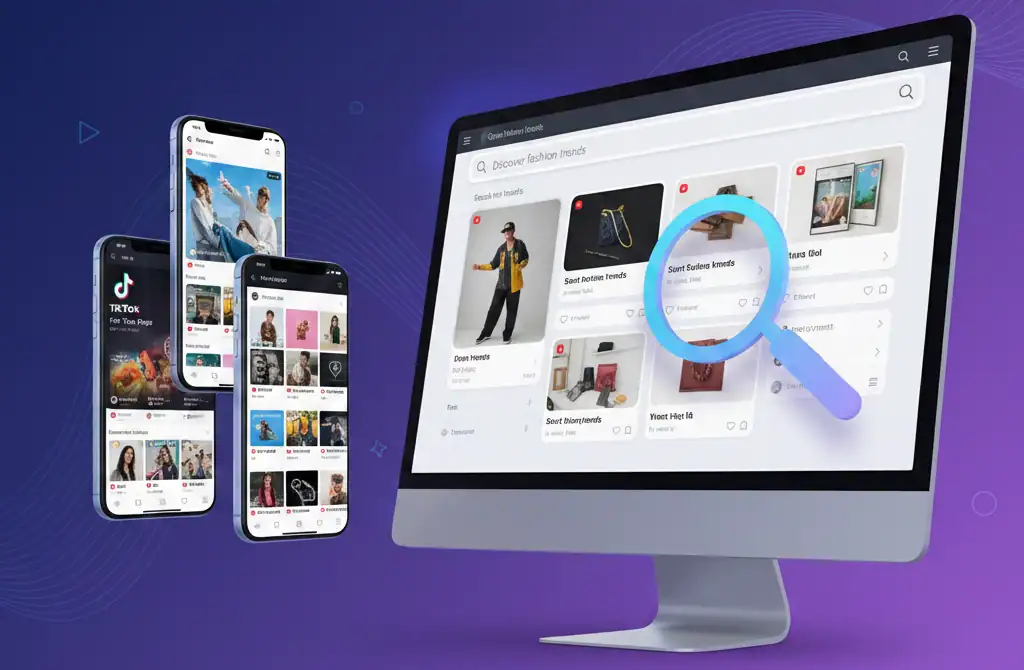
The traditional dominance of web-based search engines is being challenged as platforms like TikTok, Instagram, and YouTube become the primary discovery tools for younger demographics. Users now treat these apps as functional libraries where they can find tutorials, product reviews, and lifestyle advice through a visual-first lens. This shift changes the way content is produced, moving it away from purely “viral” attempts toward utility-driven results.
The Search-First Content Strategy
To capitalize on this behavior, creators must adopt a search-oriented mindset. This involves researching the specific questions and pain points their target audience is asking within the social apps themselves. Instead of relying solely on broad industry hashtags, brands are now focusing on long-tail keywords that match user intent. For example, a beauty brand might focus on “how to apply liquid blush for a natural look” rather than just using the tag #makeup. This ensures that the content remains evergreen and continues to surface in search results months after the initial post.
Optimizing for In-App Discovery
Optimization now extends into the metadata of every post. This includes adding descriptive alt-text to images, using keyword-rich titles in video overlays, and ensuring that spoken words in videos are clear enough for automated captioning systems to index. The goal is to make content “readable” by the platform’s internal AI, ensuring that when a user searches for a specific solution, your brand is the one that appears at the top of the feed.
2. Agentic AI as the “Creative Co-Pilot”
We have moved past the era of simple generative tools that only produce text or images. Currently, agentic AI systems are being integrated into the daily workflows of marketing teams to handle complex, multi-step operations. These agents are capable of making decisions, such as identifying which parts of a long-form video are most likely to go viral and automatically cutting them into platform-specific vertical clips.
From Generative to Agentic Systems
Unlike earlier models that required constant prompting, these autonomous systems can monitor performance data in real-time and adjust campaigns without human intervention. They can identify a sudden spike in engagement for a specific topic and immediately reallocate ad spend or generate additional supporting content to ride the wave. This allows small teams to operate with the efficiency and scale of a global enterprise, focusing their human efforts on high-level strategy and creative vision.
Operational Efficiency at Scale
The primary benefit of these systems is the reduction of manual, repetitive tasks. From localized voiceover generation to automated resizing of assets for different screen ratios, the “creative co-pilot” ensures that no opportunity is missed due to a lack of bandwidth. However, the most successful brands maintain a strict human-in-the-loop policy to ensure that the AI-generated outputs remain aligned with the brand’s unique “soul” and ethical standards.
3. The “Unpolished” Authenticity Premium
As high-fidelity AI-generated content becomes the norm, there is a growing backlash against “perfection.” Users are increasingly drawn to content that feels raw, spontaneous, and undeniably human. This “lo-fi” aesthetic—often recorded on a mobile device with minimal editing—is outperforming high-budget studio productions in terms of trust and engagement.
The Rise of Lo-Fi Production
This trend celebrates the “behind-the-scenes” reality of a brand. Whether it is a quick update from a founder’s car or a raw look at a manufacturing floor, these glimpses into reality provide a level of transparency that polished ads cannot replicate. It signals to the audience that there is a real person behind the screen, which is essential for building loyalty in a landscape full of deepfakes and automated bots.
Building Trust through Transparency
The premium on authenticity also extends to how brands handle mistakes. Instead of deleting negative comments or ignoring errors, brands that address them openly and with a human voice are seeing a “halo effect” on their reputation. At this stage, vulnerability is a marketing asset. By showing the “making of” process—complete with the messy parts—brands invite their audience into a collaborative relationship rather than a one-sided sales pitch.
4. Messaging Apps as the New Storefront
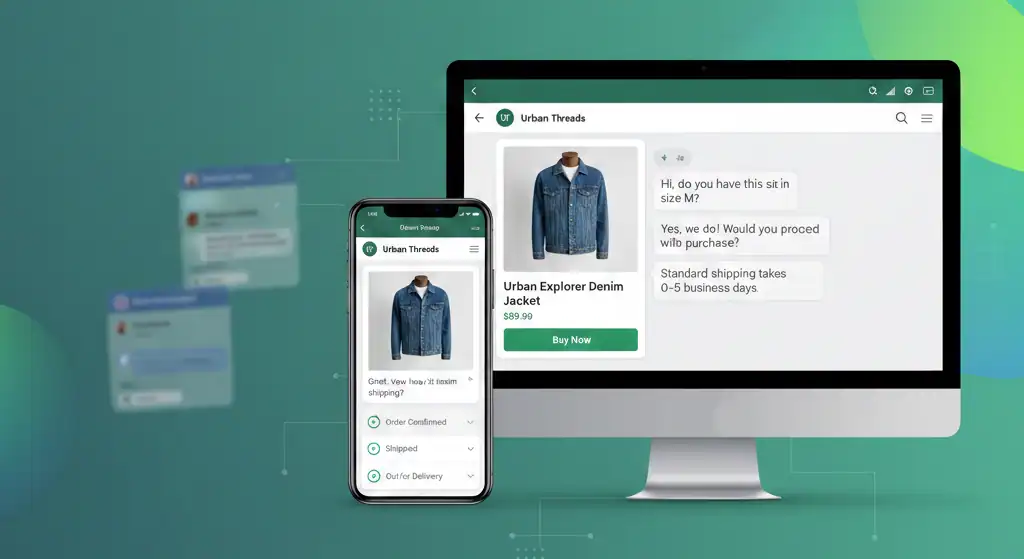
Direct messaging has evolved from a simple support channel into a full-funnel commerce environment. Platforms like WhatsApp, Messenger, and Instagram DMs are now being used as personalized shopping malls where users can discover, inquire about, and purchase products without ever leaving the conversation.
Conversational Commerce Integration
The integration of payment gateways directly into messaging threads has removed the friction of the traditional mobile checkout. A customer can ask a question about product sizing, receive an automated but personalized recommendation, and complete the transaction via a digital wallet in a matter of seconds. This 1-to-1 environment is highly effective for converting leads who might otherwise drop off during a multi-step web checkout.
Personalizing the DM Journey
Expert marketers are now using DMs to host exclusive “drop” events or provide concierge-level service to their most loyal customers. By treating the inbox as a sacred, private space, brands can foster deeper intimacy. Automated bots are becoming more sophisticated, using historical purchase data to provide hyper-relevant suggestions that feel helpful rather than intrusive.
5. Long-Form Video Renaissance
While short-form video dominated the previous years, a noticeable resurgence in long-form content is taking place. As users experience “scroll fatigue” from the constant barrage of 15-second clips, they are gravitating toward more substantial, educational, and narrative-driven content. Understanding these social media trends in 2026 allows brands to move beyond the superficial and establish themselves as thought leaders.
Combatting Scroll Fatigue
Long-form video—ranging from 10 to 30 minutes—provides the depth that short-form cannot. It is particularly effective for B2B brands, educational services, and complex product demonstrations. By creating content that requires a “lean-back” experience, brands can capture a different type of attention—one that is more intentional and leads to higher brand recall.
Building Authority with Serial Content
Successful brands are now producing serial content that encourages recurring viewership. Think of these as “mini-series” hosted on YouTube or LinkedIn. By breaking down complex topics into digestible chapters, brands can build a narrative over time. This approach transforms a one-time viewer into a long-term subscriber who looks forward to the next installment.
6. Expansion of Private Micro-Communities
The public town square of social media has become too noisy for many users. This has led to a mass migration into smaller, private spaces such as Discord servers, Instagram Broadcast Channels, and private WhatsApp groups. In these “walled gardens,” the conversation is more focused, and the engagement is significantly higher.
The Migration to Walled Gardens
These communities offer a sense of belonging that the open feed lacks. For a brand, owning a micro-community means you no longer have to fight the algorithm to reach your most passionate fans. When you post an update in a Discord channel, you are almost guaranteed that a high percentage of members will see it. This predictability is invaluable for product launches and feedback loops.
Niche Engagement and Loyalty
In these spaces, the brand acts more as a facilitator than a broadcaster. By encouraging peer-to-peer interaction among fans, the community becomes self-sustaining. Brands that provide exclusive value—such as early access to sales, “member-only” content, or direct Q&A sessions with the product team—are seeing extraordinary levels of lifetime customer value.
7. Frictionless Social Commerce
The goal of modern e-commerce is to reduce the “clicks to purchase” to the absolute minimum. Native in-app checkout is no longer an experiment; it is the standard. Users expect to be able to buy what they see the moment they see it, without being redirected to an external mobile site that may be slow to load. These social media trends are reshaping the entire retail journey into a “discovery-to-delivery” loop.
Native In-App Checkout Success
Platforms like TikTok Shop have proven that entertainment and commerce are inseparable. By integrating the catalog directly into the video feed, the barrier to purchase is virtually non-existent. For impulsive or low-consideration purchases, this frictionless experience is the difference between a conversion and a lost lead.
Reducing Shopper Abandonment
The primary cause of cart abandonment is a complicated checkout process. By utilizing saved payment information and biometrics within social apps, brands can capture the “moment of intent” before the user has a chance to change their mind. This “two-tap” purchase model is driving massive growth for direct-to-consumer brands that prioritize social-first retail strategies.
8. B2B Humanization on LinkedIn
The traditional “corporate” voice on LinkedIn has become invisible. Success on the platform is now driven by the personal brands of employees and executives. People want to follow people, not logos. This human-centric approach is transforming B2B marketing from a sterile exchange of press releases into a vibrant ecosystem of thought leadership.
Executive Thought Leadership
C-suite executives are now expected to be visible and vocal. By sharing personal anecdotes, industry opinions, and even failures, they build “executive equity” that transfers to the company. A post from a CEO often receives ten times the engagement of a post from the official company page, simply because it feels more authentic and relatable.
Moving Beyond the Brand Logo
Employee advocacy programs are being formalized to encourage staff at all levels to share their professional journeys. When multiple employees discuss a company’s culture or a new project from their individual perspectives, it creates a “mosaic” of the brand that is far more convincing than any single corporate ad. This human-first strategy is essential for both sales and talent acquisition.
9. Full-Funnel Micro-Influencer Partnerships
The era of the “shoutout” is over. Brands are moving away from transactional relationships with celebrity influencers in favor of long-term partnerships with micro-influencers. These creators may have smaller audiences, but their followers are highly loyal and concentrated within specific niches.
Long-Term Collaborative Advocacy
Instead of one-off posts, brands are signing year-long contracts with creators to act as brand ambassadors. This allows the creator to genuinely integrate the product into their lifestyle over time, making their endorsements feel much more natural. These long-term partners are involved in the entire funnel—from awareness through to conversion and even product development.
Measuring Performance Beyond Likes
Metrics have shifted from “reach” to “resonance.” Brands are now looking at saves, shares, and conversion rates rather than just likes or views. Micro-influencers often deliver a much higher return on investment because their audience sees them as a trusted peer rather than a distant celebrity. By providing these creators with tracking links and personalized discount codes, brands can measure the exact impact of every collaboration.
10. AI-Driven Hyper-Localization
Global brands are using AI to become “local” in every market they enter. Tools for AI translation, voice cloning, and lip-syncing have made it possible to adapt a single piece of content for dozens of different regions with perfect cultural and linguistic accuracy.

Seamless Global Adaptation
A video featuring a founder speaking in English can now be automatically dubbed into Spanish, Mandarin, or French, with the speaker’s lip movements perfectly synced to the new language. This maintains the human connection and authority of the original creator while removing the language barrier. It allows even small businesses to scale internationally without the need for massive localization budgets.
Tailoring Tone and Visuals Locally
Hyper-localization goes beyond just language. AI agents can now suggest visual or tonal adjustments based on local cultural norms and trending topics in specific geographic regions. This ensures that a campaign launched in Tokyo feels as native and relevant as one launched in New York. By showing respect for local nuances, brands can build global presence with a local touch.
Summary of Social Media Trends in 2026
Adapting to these social media marketing trends in 2026 is vital for staying ahead in a fast-paced digital environment. By prioritizing social search, mastering agentic AI, and building private micro-communities, brands can secure high-value engagement. Success lies in balancing automated efficiency with the raw human authenticity users now demand. These strategic shifts will help you cut through the noise, foster deeper loyalty, and ensure your marketing efforts yield lasting results.