Online reputation management is now one of the most critical aspects of building and sustaining a credible brand presence. Before customers trust a business, apply for a job, partner with a company, or even respond to a sales pitch, they look online. Search results, reviews, social media conversations, and news coverage collectively shape how a brand is judged within seconds.
Unlike traditional word-of-mouth, online opinions spread quickly and remain visible for years. A single negative review, unresolved complaint, or misleading article can influence hundreds or thousands of decisions. At the same time, positive customer experiences, transparent communication, and consistent digital signals can strengthen trust and authority over time.
This is why reputation management is no longer reactive or limited to crisis situations. Businesses of all sizes need a structured approach to monitor public perception, address issues early, and reinforce credibility across every digital touchpoint.
What Is Online Reputation Management
Online reputation management is the process of monitoring, shaping, and improving how a brand or individual is perceived across digital platforms. It involves observing what appears when someone searches for a business or person online, engaging with customer feedback, and ensuring that public information reflects accuracy and credibility.
This includes tracking search engine results, social media mentions, customer reviews, news articles, blogs, and forums. The goal is not to hide criticism but to provide a clear, fair, and trustworthy representation of a brand.
A brand’s reputation is influenced by multiple interconnected touchpoints. Google search results often form the first impression, while review platforms like Google Reviews, Trustpilot, Yelp, and industry-specific directories impact trust and decision-making.
Social media amplifies feedback in real time, and news articles or blog mentions add authority and context. Together, these channels create a digital footprint that shapes how people perceive and interact with the brand.
Why Online Reputation Management Matters
Understanding the impact of a brand’s online reputation is essential because it affects trust, sales, and long-term growth. Several key factors show exactly how and why a strong reputation can influence a business’s success.
Trust and Credibility
Trust is established before contact. Most users evaluate credibility by reading reviews, scanning search results, and observing how businesses handle criticism publicly. A brand that responds professionally signals reliability. One that ignores issues signals risk.
Credibility is not built through perfection but through consistency. Customers expect occasional mistakes. What they evaluate is whether those mistakes are acknowledged, corrected, and prevented from repeating.
Impact on Sales and Conversions
Reputation directly affects conversion rates. Businesses with strong public sentiment convert more leads at lower acquisition costs. Negative search results or unresolved reviews introduce friction that reduces inquiries and increases abandonment.
In competitive industries, reputation often overrides pricing or features. Customers choose the option that feels safer, not necessarily cheaper.
Long-Term Brand Value
Reputation influences hiring, partnerships, and investment decisions. Potential employees research companies before applying. Partners assess risk by reviewing public sentiment. Investors evaluate brand resilience based on past crises and response quality.
A well-managed reputation creates a buffer. When issues arise, established trust reduces fallout and accelerates recovery.
Search Engine Influence
Search engines amplify reputation. Branded queries surface reviews, articles, and third-party commentary. These results form first impressions that persist.
Search visibility management is therefore inseparable from reputation control. Without strategic optimization, negative or outdated content can dominate perception indefinitely.
How Online Reputation Is Formed
A brand’s online reputation develops through the various ways people interact with, talk about, and search for it online.
Customer Reviews and Ratings
Review platforms are among the most influential reputation drivers. Google Reviews, Trustpilot, Yelp, and niche directories allow customers to share experiences publicly. These reviews influence both human decisions and search engine rankings. Patterns matter more than isolated opinions. Consistent feedback reveals how a brand truly performs and how it responds under pressure.

Social Media Conversations
Social platforms enable instant feedback. Complaints, praise, and questions can spread quickly through shares and comments. A single unresolved issue can escalate into a larger perception problem if ignored. Active engagement, clarity, and respectful communication help shape a balanced narrative.
News Coverage and Blogs
Articles carry authority and longevity. A single negative article can rank for years. Conversely, expert commentary and thought leadership can anchor positive perception. Brands must actively monitor media mentions and correct inaccuracies early. Delayed response allows misinformation to become accepted narrative.
Search Engine Results Pages
Most users never go beyond page one. What appears there becomes assumed truth. Forums, reviews, and articles combine into a storyline that either supports or undermines credibility. Controlling this space requires content strategy, optimization, and sustained effort.
Online Reputation Management Strategies
Strong reputation management is built on consistent actions rather than short-term fixes. The following strategies outline how brands can protect and strengthen public perception over time. These online reputation management tips focus on credibility, accountability, and visibility.
1. Become Well Respected
Building respect is fundamental to any online reputation strategy. Trust and credibility cannot be demanded; they must be earned through consistent quality, ethical business practices, and dependable customer experiences. Brands that consistently deliver on their promises create a foundation of credibility that withstands challenges.
Respect encourages customer loyalty, strengthens partnerships, and generates positive conversations online. Over time, a well-respected brand becomes a reference point in its industry, and this trust directly impacts customer decisions and long-term growth.
2. Be Radically Transparent
Transparency is an essential element of maintaining trust in the digital age. Being radically transparent means openly communicating both successes and setbacks. When a mistake occurs or a service disruption happens, honest communication can prevent misunderstandings and reduce the spread of negative narratives.
A brand that openly shares information about processes, policies, and corrective actions demonstrates accountability. Transparency signals to customers and stakeholders that the company values integrity and is committed to maintaining their trust even in difficult situations.
3. Monitor What People Say About Your Brand
Monitoring online conversations is a proactive strategy for reputation management. Brands need to track social media mentions, reviews, comments, and discussions to understand public sentiment. Social listening and review tracking tools help identify emerging issues before they escalate.
Regular monitoring also uncovers insights into customer preferences, pain points, and expectations, allowing brands to adjust strategies and improve products or services. By staying aware of how people perceive your business, you can respond more effectively and maintain a strong digital presence.
4. React Quickly and Politely
Speed and tone are crucial when responding to online feedback. Customers expect prompt replies, and delays can exacerbate negative perceptions. Responding quickly shows attentiveness, while maintaining a polite and professional tone prevents minor issues from escalating.
Even when faced with harsh criticism, a calm response reflects maturity and commitment to customer care. Timely, respectful engagement can transform a potentially negative interaction into an opportunity to build loyalty and demonstrate excellent service.

5. Address Criticism Directly
Acknowledging and addressing criticism is a necessary practice for maintaining credibility. Ignoring complaints or negative comments often leads to frustration and damages trust. By responding directly and constructively, brands show that they listen and care about customer concerns.
Thoughtful responses that provide solutions or explanations demonstrate accountability and encourage dialogue. Engaging with criticism openly not only resolves individual complaints but also signals to the broader audience that the brand is responsible and proactive.
6. Pay Attention to Google Search Results
Search engine results play a major role in shaping first impressions. When people search for your brand, the content they encounter influences their perception even before they interact with your business. Negative reviews, outdated information, or inaccurate details on search results can harm credibility.
Investing in search engine optimization, maintaining up-to-date listings, and promoting positive content ensures that favorable and accurate information is prominently visible. Managing search results is an ongoing part of reputation management that directly impacts how potential customers view your brand.
7. Learn From Your Detractors
Constructive criticism provides valuable insights into areas that need improvement. Feedback from detractors, when analyzed objectively, can highlight weaknesses in products, services, or messaging.
Brands that learn from criticism are able to refine strategies, enhance customer experiences, and adjust communication to better align with audience expectations. Engaging with detractors thoughtfully demonstrates openness and a commitment to improvement, which strengthens overall credibility.
8. Take Action Against Illegitimate Attacks
Not all negative online content is fair or accurate. False claims, defamatory comments, or malicious attacks can damage a brand’s reputation if left unaddressed. It is important to document evidence, report content through platform channels, and seek legal assistance if necessary.
Taking swift action against illegitimate attacks protects the brand’s integrity and prevents repeated offenses. Partnering with professional online reputation management services ensures that these challenges are handled effectively while maintaining the brand’s credibility.
9. Learn From Your Mistakes
Mistakes are inevitable, but how a brand responds to them determines the impact on reputation. Accepting responsibility and implementing corrective measures demonstrates reliability and accountability.
Transparent handling of errors allows a brand to rebuild trust more quickly than denial or silence. Learning from mistakes also provides opportunities to improve internal processes, customer interactions, and communication strategies, which contributes to stronger long-term reputation management.
10. Ask for Professional Help When Needed
Sometimes internal efforts are not enough to manage complex reputation challenges. Professional online reputation management agencies bring expertise in crisis management, public relations, search engine optimization, and digital strategy.
They can guide brands through reputation repair, prevent potential issues, and implement long-term solutions to maintain a positive digital presence. Partnering with a reputed online marketing company ensures that your brand receives expert support while continuing to focus on core business operations.
Online Reputation Management Tools
Tools for online reputation management services help businesses monitor, manage, and improve their presence across social media, search results, and review platforms. Here are some of the most effective tools available.
1. Sprout Social
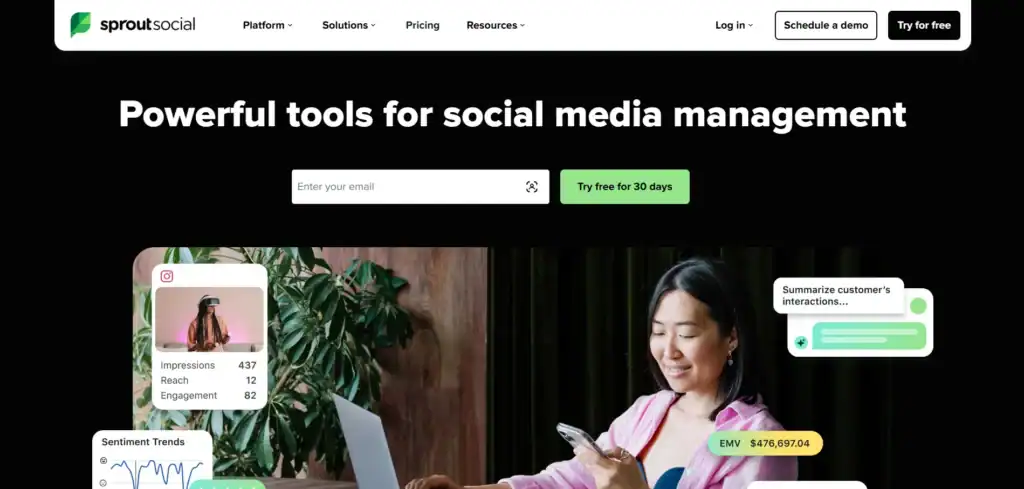
Sprout Social is highly effective for social listening. Its sentiment analysis detects emerging risks early, giving brands the opportunity to respond proactively before issues escalate. It also helps track public perception across multiple social channels.
2. Birdeye
Designed for multi-location businesses, Birdeye centralizes review management and sentiment analysis. Its AI-driven insights identify operational issues that may drive negative feedback, enabling businesses to make targeted improvements that enhance overall reputation.
2. Brand24
Brand24 provides real-time monitoring across web and social platforms. Its Presence Score and Influencer Score help identify who is shaping the conversation about your brand and how widely certain narratives are spreading, allowing you to respond strategically.
3. Podium
Podium focuses on increasing review volume through automated messaging, making it particularly useful for local service businesses. Its AI-generated responses maintain professional consistency while saving time for business owners managing multiple customer interactions.
4. Yext
Yext ensures that your business information, such as hours, locations, and services, remains accurate across all platforms. Consistent listings prevent confusion, build trust, and improve discoverability. Yext also plays a key role in feeding accurate data to AI-driven search engines.
5. Mentionlytics
Mentionlytics adds an intelligent layer to monitoring by summarizing sentiment trends and flagging suspicious activity. Its AI advisor helps businesses identify potential crises early and make informed decisions quickly.
6. Google Alerts
Google Alerts remains a reliable free option for monitoring online mentions. While it lacks advanced analytics, it ensures that no indexed mention of your brand goes unnoticed, making it a simple first step for reputation monitoring.
Common Online Reputation Management Mistakes
Even with the best intentions, businesses can make errors that harm their online reputation. Recognizing and avoiding these common mistakes is essential for maintaining a strong brand presence.
Ignoring Negative Feedback
Remaining silent in response to complaints or criticism can make problems worse. Unaddressed issues may lead customers to believe the business does not care, which can result in negative reviews, social media complaints, or lost sales. Responding thoughtfully demonstrates accountability and a commitment to improvement.
Overreacting Emotionally
Responding aggressively or defensively to criticism can damage credibility. Emotional reactions may escalate conflicts publicly and harm trust with both the complaining customer and wider audiences. Calm and professional responses show that the brand values constructive dialogue.
Focusing Only on Damage Control
Reputation management is not just about reacting to problems. Brands that only act during crises risk missing opportunities to build goodwill, strengthen customer relationships, and shape public perception proactively. Consistent engagement, transparency, and monitoring are key to maintaining long-term reputation health.
Closing Thoughts on Online Reputation Management
Online reputation management is no longer optional in a digital-first economy. Public perception influences trust, visibility, revenue, and long-term brand value. Transparency, responsiveness, and consistent value creation form the foundation of a strong reputation.
By monitoring conversations, addressing feedback constructively, and aligning digital presence with real-world performance, brands can protect and enhance credibility over time. Whether handled internally or through professional support, a structured approach ensures resilience and growth.
This online reputation management guide reinforces one core truth: reputation is built daily, shaped by actions, and sustained through accountability and consistency.