Shopify for B2B is redefining how modern wholesalers, manufacturers, and distributors approach digital commerce. As more business buyers shift their purchasing processes online, companies must adapt to platforms that offer flexibility, automation, and scalability. Before diving into advanced wholesale strategies, it is essential to build a strong technical foundation. If you are in the early stages, explore Shopify Store Setup: A Complete Guide for Business Owners to understand how to structure your store properly from the beginning. A well-built setup ensures your B2B operations run efficiently as you scale.
Digital transformation is accelerating B2B online sales across industries. Corporate buyers now expect the same seamless, self-service experience they receive in B2C ecommerce. They want transparent pricing, easy bulk ordering, flexible payment options, and real-time inventory visibility. Traditional systems that rely on manual invoices, phone calls, and spreadsheets are no longer sufficient.
Using Shopify provides several advantages for wholesale and enterprise sellers. The platform offers quick deployment, scalability for growing catalogs, seamless integrations with ERP and CRM systems, and smooth day-to-day operations through automation. Businesses can manage custom pricing structures, customer segmentation, and multiple storefronts without complex coding.
This guide will explain why Shopify is critical for modern B2B operations, how to understand business buyers, and which proven strategies can help boost revenue. From tiered pricing models to automation tools and operational optimization, it provides a complete roadmap for scaling b2b on shopify effectively.
The Importance of Shopify for B2B Businesses
The B2B landscape has changed significantly in recent years. Decision-makers now research products online before contacting suppliers. Procurement teams compare vendors digitally and expect efficient checkout experiences. Companies that fail to provide streamlined online purchasing risk losing high-value contracts to competitors who prioritize digital efficiency.
Shopify B2B ecommerce enables businesses to centralize their wholesale operations within one powerful platform. Instead of juggling separate systems for orders, payments, and inventory, companies can manage everything from a unified dashboard. This improves visibility and reduces operational friction.
One of the main advantages of B2B Shopify solutions is flexibility. Businesses can create custom catalogs, manage multiple pricing tiers, restrict product visibility, and configure payment terms tailored to corporate clients. These capabilities allow sellers to replicate traditional wholesale agreements within a modern ecommerce environment.
Scalability is another critical factor. As order volumes grow, Shopify can handle increasing traffic and transaction complexity without compromising performance. This makes it ideal for companies transitioning from offline wholesale to digital channels.
Security and compliance also play a vital role in business-to-business transactions. Shopify offers secure payment processing, reliable hosting infrastructure, and data protection features that build trust among enterprise clients.
To implement advanced wholesale features effectively, many organizations collaborate with reputed Shopify development companies. These experts customize store architecture, integrate enterprise systems, and ensure that pricing logic aligns with business models. Their support helps businesses unlock the full potential of Shopify for B2B growth.
Understanding Your B2B Customers
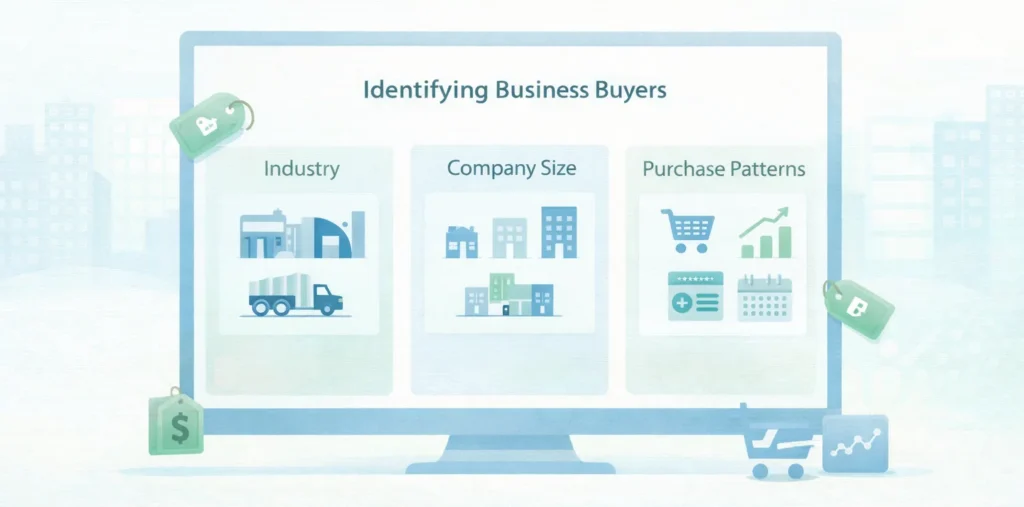
Identifying Business Buyers
Unlike individual consumers, B2B buyers operate within structured organizations. Identifying them requires segmentation based on:
- Industry: Retailers, distributors, manufacturers, service providers
- Company size: Small businesses, mid-sized enterprises, large corporations
- Purchase patterns: Frequency, order volume, seasonal demand
Using Shopify customer tagging and segmentation tools, you can categorize clients effectively. This makes it easier to offer tailored pricing, promotions, and product recommendations.
Clear segmentation also supports better forecasting and marketing alignment, ensuring your B2B Shopify store meets different buyer needs.
Mapping the Buying Process
The B2B buying cycle is typically longer than B2C. Multiple stakeholders may be involved, including procurement managers, finance teams, and department heads.
Understanding this process allows you to:
- Provide detailed product specifications
- Offer downloadable catalogs and bulk pricing sheets
- Enable quote requests
- Support negotiated pricing
By mapping decision-making stages, businesses can create content and workflows that guide prospects smoothly from inquiry to purchase.
Custom Pricing Needs
One of the defining features of b2b on shopify is flexible pricing. Business buyers expect volume discounts, negotiated rates, and exclusive deals.
Common pricing models include:
- Tiered pricing based on quantity
- Industry-specific discounts
- Contract-based pricing agreements
- Seasonal or promotional offers
Without customized pricing structures, businesses risk losing large-volume buyers who demand cost efficiency.
Proven Strategies to Boost B2B Revenue on Your Shopify Store
The strategies below are designed to help you maximize profitability and build long-term client loyalty through structured B2B systems.
1. Tiered and Volume Pricing
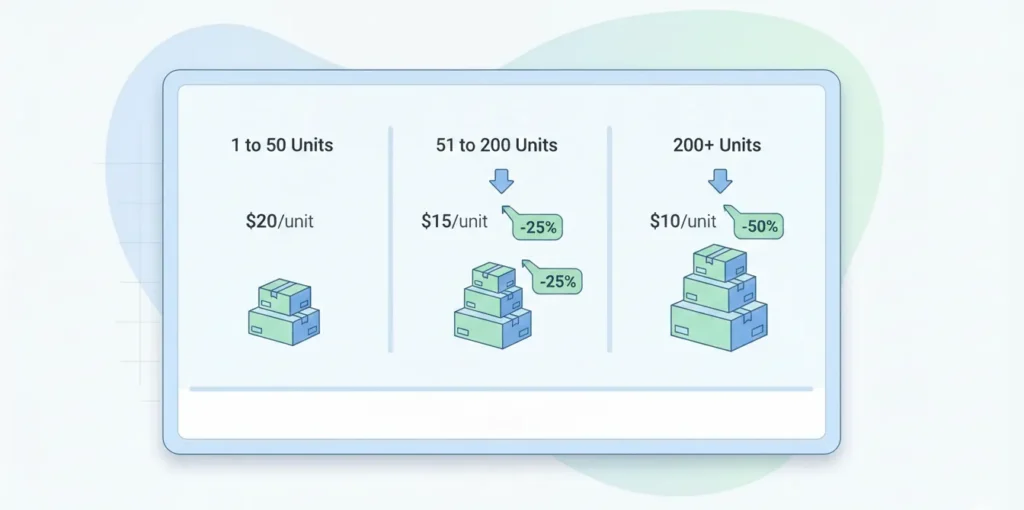
Tiered pricing encourages larger orders by automatically adjusting prices based on quantity. For example:
- 1 to 50 units at standard price
- 51 to 200 units at discounted rate
- 200 plus units at premium wholesale pricing
Shopify apps or native B2B features allow you to configure these pricing tiers efficiently. This approach increases average order value and motivates buyers to consolidate purchases.
2. Wholesale-Only Products
Offering exclusive products to approved B2B accounts enhances perceived value. You can create hidden collections or restricted catalogs accessible only to logged-in wholesale customers.
This strategy allows you to:
- Sell bulk SKUs
- Provide business-specific bundles
- Maintain separation between retail and wholesale operations
Controlled access ensures pricing integrity while strengthening your professional brand image.
3. Personalized Offers
Repeat business buyers expect recognition. By using customer tags, purchase history, and segmentation tools, you can deliver personalized pricing and targeted promotions.
Examples include:
- Custom discounts for loyal clients
- Cross-sell recommendations based on previous purchases
- Early access to new product launches
Personalization increases retention and builds stronger partnerships within Shopify B2B ecommerce environments.
4. Subscription and Recurring Orders
Many B2B products involve repeat consumption, such as packaging materials, office supplies, or industrial components.
Subscription apps allow clients to schedule automatic recurring orders, reducing manual work for both parties. Benefits include predictable revenue, improved inventory planning, and enhanced customer convenience.
5. Streamlined Ordering Experience
Efficiency is critical in B2B transactions. Simplify the ordering process by enabling:
- Saved carts
- Quick reorder buttons
- Bulk CSV uploads
- Account dashboards with order history
These features reduce friction and encourage repeat purchases, strengthening the overall B2B Shopify experience.
6. Integrating Sales Tools
To maximize revenue, integrate your store with CRM, ERP, and email automation systems. These integrations allow you to:
- Track customer lifecycle stages
- Automate follow-ups
- Manage inventory across multiple channels
- Identify upsell and cross-sell opportunities
Connecting sales tools ensures data consistency and more informed decision-making.
7. Flexible Payment and Checkout Options
Business transactions often require payment flexibility. Shopify supports:
- Net payment terms
- Purchase orders
- Invoice generation
- Multiple payment gateways
Providing these options builds trust and accommodates corporate procurement processes.
8. Optimizing Operations for Better Revenue
Operational efficiency directly impacts profitability.
Inventory Management
Accurate inventory tracking prevents overselling and stock shortages. Real-time updates help maintain trust with clients who depend on timely supply.
Shipping and Logistics
Bulk orders require specialized shipping strategies. Offering multiple delivery options and optimizing packaging can reduce costs and improve satisfaction.
Analytics and Reporting
Shopify’s analytics tools allow businesses to monitor:
- High-performing products
- Customer lifetime value
- Revenue trends
- Seasonal demand patterns
Data-driven decisions lead to more strategic growth.
9. Leveraging Shopify Apps for B2B Growth
Apps extend the capabilities of a Shopify store and help streamline wholesale operations. For businesses running Shopify B2B ecommerce, the right apps can simplify pricing management, automate workflows, and connect backend systems efficiently.
B2B and Wholesale Apps
Several apps on the Shopify App Store are specifically designed for wholesale and b2b on shopify operations:
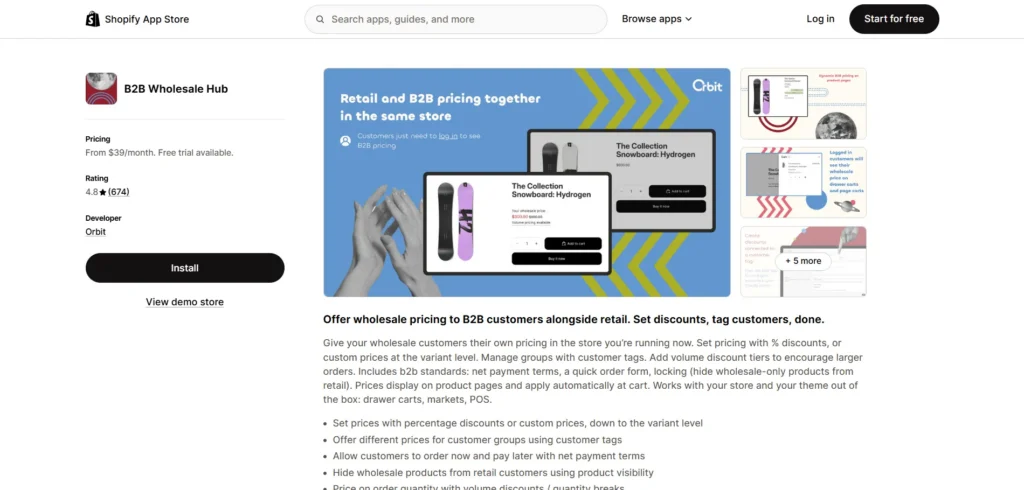
- B2B Wholesale Hub: Allows customer-specific pricing, tiered discounts, net payment terms, and wholesale-only product visibility.
- BSS: B2B Wholesale Solution: Supports custom price lists, minimum order quantities, tax exemption, and account approval workflows.
- Wholesale Gorilla: Offers volume pricing, quick order forms, and bulk ordering features tailored for wholesale buyers.
These apps make it easier to manage multiple pricing tiers and provide a professional wholesale experience.
Automation Apps
Automation improves efficiency and reduces manual work. Popular tools include:
- Shopify Flow: Automates tasks such as tagging customers, managing approvals, and triggering notifications.
- Order Printer Pro: Automatically generates invoices and packing slips for wholesale orders.
- Zapier: Connects Shopify with external apps to automate emails, accounting updates, and CRM entries.
Automation ensures smoother operations and better customer communication.
ERP and CRM Integrations
For growing B2B Shopify businesses, integrating backend systems is essential:
- NetSuite ERP Integration: Syncs orders, inventory, and financial data.
- Brightpearl: Manages inventory, accounting, and order workflows.
- HubSpot CRM: Tracks customer interactions and supports B2B relationship management.
These integrations help maintain data accuracy, improve operational efficiency, and support long-term business growth.
Before implementing advanced revenue strategies, ensure your store structure is optimized for wholesale operations. You can revisit this detailed guide on setting up a Shopify store for business success to refine your foundation and technical setup.
Conclusion: Maximizing Revenue with Shopify for B2B
Shopify for B2B provides businesses with a powerful, scalable framework to modernize wholesale operations and drive sustainable growth. By implementing tiered pricing, personalized offers, subscription models, and automation tools, companies can significantly increase average order value and customer retention.
Emerging trends such as AI-driven personalization, headless commerce architectures, and multi-channel B2B selling are shaping the future of digital wholesale. Businesses that adopt these innovations early will gain a competitive advantage.
The next step is clear. Evaluate your current systems, optimize your store structure, and begin integrating advanced features designed specifically for business buyers. With the right strategy, Shopify for B2B can become the foundation of long-term revenue growth and operational excellence.
Need a Shopify Development Company for Your B2B Store?
WebDesignCochin is a reputed Shopify development company in Kochi offering professional solutions for B2B and wholesale businesses. We help businesses build scalable Shopify stores with custom pricing, integrations, automation, and streamlined ordering features. Reach out to us today to discuss your eCommerce development requirements and take your online business forward.