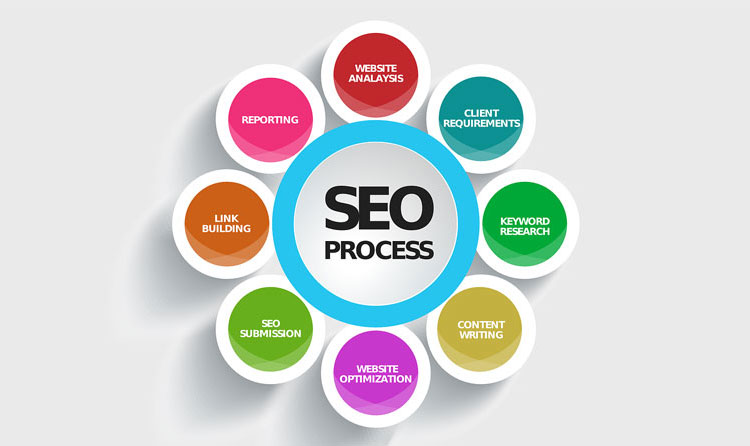
B2B keyword research is the foundation of any successful organic growth strategy in competitive industries. Without a structured approach to discovering, analyzing, and prioritizing the right search terms, even the most well-designed websites struggle to attract qualified decision-makers.
If your goal is sustainable visibility and high-quality lead generation, your strategy must go beyond basic keyword discovery. That is why understanding broader frameworks like B2B SEO Strategies to Attract High-Quality Leads is essential early in your planning process, as keyword research directly supports those larger SEO objectives.
Unlike B2C search behavior, B2B searches are rarely impulsive. They are research-driven, comparison-heavy, and often involve multiple stakeholders. A purchasing decision may require weeks or months of evaluation. This makes strategic keyword planning critical. Instead of chasing high-volume traffic, businesses must focus on intent, authority building, and long-term positioning.
Long-term SEO success depends on building visibility across the entire buyer journey. That requires aligning keywords with funnel stages, content depth, business value, and search intent. When done correctly, keyword research becomes a revenue-generating asset rather than just a traffic-driving tactic.
Proven Tips for B2B Keyword Research
Below are proven strategies that help build a scalable and sustainable B2B search strategy. Each one plays a crucial role in strengthening organic visibility and attracting decision-makers.
1. Understand the B2B Buyer Journey
B2B purchasing decisions are structured and multi-layered. Mapping keywords to the buyer journey ensures your content meets users at every stage.
- Awareness stage keywords focus on education. These include problem-based queries such as “how to improve supply chain efficiency” or “cybersecurity risks for enterprises.” At this stage, users are identifying challenges.
- Consideration stage keywords indicate solution exploration. Examples include “enterprise CRM software comparison” or “best cloud infrastructure providers.” These searches reflect evaluation behavior.
- Decision stage keywords show clear purchase intent. Terms like “enterprise CRM pricing,” “request demo,” or “top managed IT services company” fall into this category.
Mapping keywords to funnel stages prevents gaps in visibility. It also allows better multi-touch attribution. In B2B search, users may interact with several pages before converting. Tracking how early-stage keywords contribute to later conversions is critical for long-term optimization.
2. Define Your Ideal Customer Profile and Buyer Personas
Effective keyword targeting begins with clarity about who you are trying to reach.
Start by distinguishing decision-makers from influencers. A CTO may search differently than an IT manager. A procurement officer may prioritize cost-related queries, while a marketing director may focus on performance metrics.
Industry-specific targeting refines your keyword pool. Instead of “CRM software,” you might target “CRM software for manufacturing companies” or “healthcare CRM compliance features.”
Align keywords with job titles and responsibilities. For example:
- “ERP software for CFOs”
- “HR automation tools for mid-sized businesses”
Pain-point driven discovery is equally important. Interview sales teams to uncover common objections and concerns. These insights often reveal high-intent long-tail phrases that are not obvious in keyword tools.
3. Identify High-Intent Commercial Keywords
Commercial keywords drive revenue. These typically include bottom-of-funnel patterns such as:
- “best”
- “top”
- “pricing”
- “services”
- “company”
- “near me” or location-based modifiers
Service plus location keywords are powerful for regional B2B firms, such as “IT consulting company in Chicago.”
Comparison and alternative keywords are highly valuable. Searches like “HubSpot vs Salesforce for enterprises” show evaluation intent.
Pricing and solution-based searches reflect strong commercial interest. Long-tail commercial queries, though lower in volume, often convert better because they are specific.
Are you struggling to find keywords that can drive qualified B2B traffic? Our SEO expert in Kochi can identify valuable search opportunities and build a strategy aligned with your business goals.
4. Leverage Search Intent for Strategic Targeting
Understanding search intent is essential for effective optimization.
There are three primary types:
- Informational intent: Learning-focused queries.
- Commercial intent: Researching options.
- Transactional intent: Ready to act.
SERP analysis validates intent. Review top-ranking pages to determine content format. If search results show comparison guides, a product page will struggle to rank.
Align your format accordingly:
- Blog guides for informational queries
- Comparison pages for commercial queries
- Landing pages for transactional queries
Avoid mismatched intent traps. Ranking for a keyword is meaningless if the content does not match user expectations.

5. Conduct Competitor Keyword Gap Analysis
Competitor analysis reveals untapped opportunities.
Start by identifying direct competitors offering similar services and indirect competitors ranking for your target queries.
Use keyword gap tools to compare domains. Look for:
- Keywords competitors rank for that you do not
- Pages driving the most organic traffic
- Emerging topics gaining traction
Evaluate competitor content depth. Does their page include case studies, data, FAQs, or multimedia? Reverse-engineering high-performing pages helps you exceed their value.
Finding underserved content opportunities allows you to create better, more comprehensive resources rather than duplicating existing material.
6. Build a Topic Cluster and Pillar Strategy
Topical authority strengthens long-term SEO success.
Create pillar pages targeting broad themes. For example, a comprehensive guide on enterprise cybersecurity.
Supporting cluster content should target related subtopics:
- Compliance regulations
- Risk assessments
- Incident response planning
Internal linking connects these pages strategically, distributing authority and guiding users through relevant content.
Semantic keyword grouping ensures related terms are organized under thematic categories, improving contextual relevance.
7. Use Long-Tail and Niche Keywords for Sustainable Growth
Long-tail keywords may have lower volume but higher conversion rates.
Industry-specific terminology captures specialized audiences. Problem-based queries such as “how to reduce SaaS churn in B2B companies” reflect deeper intent.
Question-driven searches often appear in featured snippets. Targeting these can increase visibility.
Low-competition opportunities are especially valuable for newer websites. Capturing micro-intent searches consistently builds momentum over time.
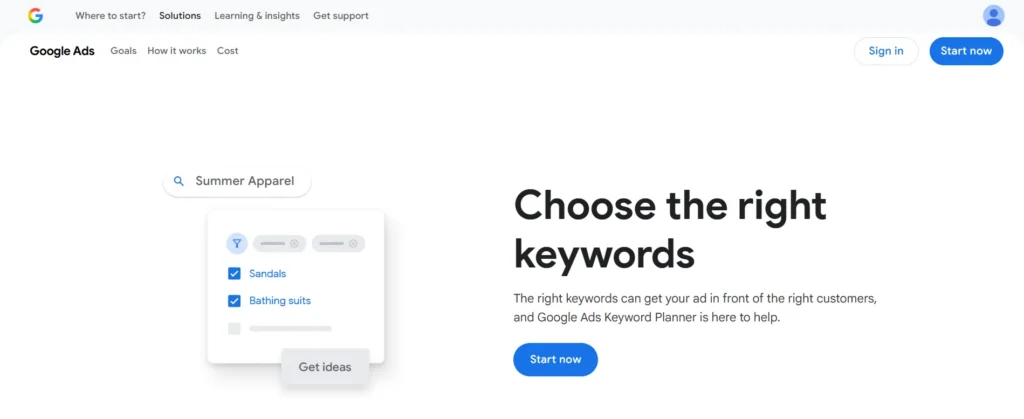
8. Utilize Advanced Keyword Research Tools
Modern SEO tools provide deeper insights beyond volume metrics.
Filter keywords by intent and cost-per-click to identify commercial value. Higher CPC often signals stronger buyer intent.
Analyze SERP features such as featured snippets and “People Also Ask” sections to identify content opportunities.
Track keyword difficulty realistically. Sometimes targeting multiple medium-difficulty keywords yields better results than chasing a single high-difficulty term.
Use data for strategic prioritization rather than intuition.
9. Incorporate Semantic SEO and Entity Optimization
Search engines now evaluate context, not just exact-match phrases.
Map related keywords and synonyms to strengthen semantic depth. Entity-based optimization connects your content to recognized concepts within your industry.
Structured data enhances visibility in search results. Contextual expansion improves topical coverage and increases authority.
Improving topical relevance ensures your content competes effectively against established industry players.
10. Prioritize Keywords Based on Business Impact
Not all keywords deserve equal focus.
Conduct revenue potential analysis by estimating conversion rates and deal value. Consider sales cycle length. High-value enterprise clients may justify targeting competitive terms.
Align keyword choices with customer lifetime value. Develop a keyword scoring framework that evaluates:
- Search volume
- Intent strength
- Competition
- Revenue impact
Balance short-term wins with long-term growth opportunities.
11. Optimize Content Around Target Keywords
Keyword research must translate into optimized content.
Follow on-page best practices:
- Clear header hierarchy
- Natural keyword placement
- Compelling meta descriptions
Optimize for click-through rate by crafting persuasive titles. Ensure depth and comprehensiveness to satisfy user intent.
Demonstrate experience, expertise, authority, and trustworthiness by including case studies, data references, and expert insights.
12. Track Performance and Continuously Refine Strategy
SEO requires ongoing monitoring.
Track rankings and organic visibility trends. Measure conversions rather than just traffic. Attribution modeling helps identify which keywords assist conversions even if they are not the final click.
Update and refresh content regularly to maintain relevance. Scale successful keyword themes into broader clusters.
13. Avoid Common B2B Keyword Research Mistakes
Avoid chasing high-volume but low-intent terms that attract unqualified traffic.
Do not ignore sales team insights. They often understand real buyer language better than tools.
Overlooking niche opportunities limits growth. Failing to update keyword data can lead to outdated strategies.
Neglecting internal linking weakens authority distribution across your site.

14. Prepare for Future Trends in B2B Keyword Research
AI-driven search evolution is shaping how queries are interpreted.
Voice and conversational search require more natural language targeting. Zero-click searches demand optimization for featured snippets.
Search personalization means results vary based on user context. Predictive keyword targeting uses data trends to anticipate future demand.
Businesses that adapt proactively maintain competitive advantages.
For a deeper understanding of how structured optimization frameworks translate organic visibility into qualified pipeline growth, explore attracting high-quality B2B leads through SEO. This broader strategic perspective clarifies how keyword research connects directly to lead generation, authority building, and long-term revenue impact rather than just search rankings.
Conclusion of B2B Keyword Research
Successful SEO in competitive industries depends on structured planning, continuous refinement, and business-focused prioritization. These proven tips demonstrate that effective keyword discovery goes far beyond volume metrics. From mapping the buyer journey to optimizing semantic relevance, every step contributes to sustainable growth.
Consistency is critical. SEO compounds over time when strategies are executed methodically. By aligning keywords with revenue potential, search intent, and topical authority, companies build lasting competitive advantages.
Ultimately, B2B keyword research is not just about rankings. It is about connecting with the right audience, solving meaningful problems, and turning organic visibility into measurable business outcomes.
Looking for a Digital Marketing Company for B2B Keyword Research?
Our digital marketing company in Kochi, WebDesignCochin, provides professional keyword research services to identify relevant, high-intent keywords that can attract qualified B2B customers and support long-term SEO growth. We analyze search intent, competition, industry trends, and business goals to develop a focused keyword strategy for your website. Contact us today to strengthen your SEO strategy and reach the right audience.