When exploring how to start an ecommerce business, many entrepreneurs quickly realize that launching an online store involves more than just listing products on a website. Ecommerce combines strategy, technology, branding, logistics, and marketing into a single system that must work smoothly to attract and retain customers. This guide explains the entire process, from planning your idea and building a website to promoting your products and scaling operations.
Ecommerce continues to expand because it allows businesses to reach customers across regions without the limitations of physical retail. With the right planning and execution, even small startups can compete effectively online. Many companies also work with professional ecommerce development agencies to build optimized stores that perform well, load quickly, and support secure transactions. If you are serious about building an online business, understanding the full process is the first step toward long-term growth.
Understanding Ecommerce and Its Potential
Ecommerce refers to the process of buying and selling products or services through digital platforms such as websites, mobile applications, and online marketplaces. Instead of visiting a physical store, customers browse products, compare options, and complete purchases online. Businesses use ecommerce systems to manage product catalogs, payments, shipping, customer communication, and marketing activities in one integrated environment.
Over time, ecommerce has evolved from simple online storefronts into complex digital ecosystems that combine technology, logistics, branding, and customer experience. Whether a small startup selling niche products or a large company operating across multiple regions, ecommerce allows businesses to reach audiences beyond geographical limitations while operating efficiently through digital tools.
Types of ecommerce models: B2C, B2B, C2C, D2C
Ecommerce operates through several business models, each serving different types of buyers and sellers.
B2C (Business to Consumer)
This is the most common ecommerce model where businesses sell products directly to individual consumers. Online clothing stores, electronics retailers, beauty brands, and home goods websites often operate under this model. The focus here is on strong branding, competitive pricing, and smooth customer experience.
B2B (Business to Business)
In this model, companies sell products or services to other businesses rather than individual customers. These transactions often involve bulk purchases, longer sales cycles, negotiated pricing, and long-term partnerships. Many manufacturers, wholesalers, and software providers operate in this space.
C2C (Consumer to Consumer)
C2C ecommerce enables individuals to sell products or services directly to other individuals through online platforms. This model is common for second-hand items, handmade goods, and peer-to-peer marketplaces where users create listings and manage transactions.
D2C (Direct to Consumer)
Direct-to-consumer ecommerce allows brands to manufacture or produce products and sell them directly to customers without relying on traditional distributors or retailers. This approach gives brands full control over pricing, customer relationships, and brand identity while also improving profit margins.
Benefits of Starting an Online Business Vs. Traditional Retail
When entrepreneurs explore how to set up an online store, they often discover that ecommerce offers several practical advantages compared to traditional retail businesses.
Lower Startup Investment
Starting an ecommerce business usually requires significantly less capital than opening a physical store. Businesses can begin with a website, selected products, and basic marketing rather than investing heavily in retail space and infrastructure.
Access to A Broader Customer Base
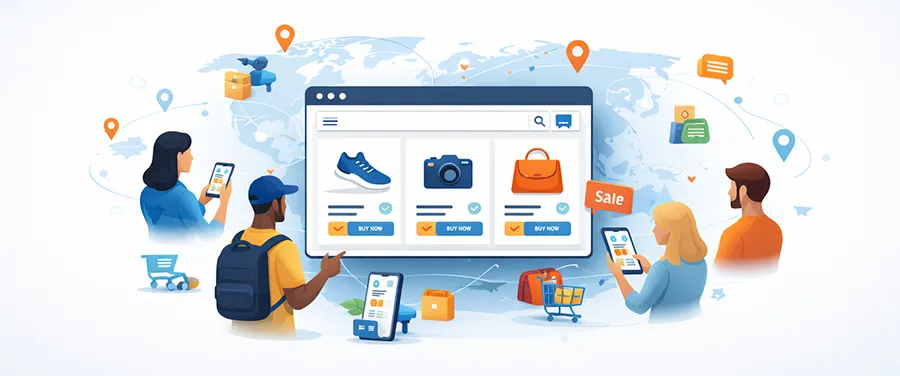
Online stores are not limited by geographic location. Businesses can reach customers across different regions and even expand internationally as demand grows.
Better Data and Customer Insights
Ecommerce platforms provide detailed analytics that help businesses understand customer behavior, product performance, and purchasing trends. These insights support smarter decision making.
Flexible Business Operations
Online stores allow businesses to update products, adjust pricing, test promotions, and scale operations more easily compared to traditional retail environments.
Continuous Selling Opportunities
Unlike physical stores with fixed hours, ecommerce websites operate all day, allowing customers to browse and purchase products whenever it is convenient for them.
Current Trends in Ecommerce and Market Opportunities
The ecommerce industry is evolving quickly due to advancements in technology and changes in how people shop online. Businesses entering the market need to understand the major developments shaping online retail so they can remain competitive and identify new growth opportunities.
Some of the most important trends influencing ecommerce today include:
- AI-powered shopping experiences where intelligent systems assist customers in discovering, comparing, and purchasing products more efficiently.
- Zero-click discovery and AI-driven search visibility, where product information appears directly in search results through structured data and optimized product feeds.
- Video-first social commerce, where platforms like short-form video and live shopping help brands sell products through creators and interactive content.
- Advanced personalization, allowing online stores to adapt layouts, recommendations, and offers based on user behavior and preferences.
- Sustainability and circular commerce, including trade-in programs, product refurbishment, and resale marketplaces.
- Immersive shopping technologies such as AR, VR, and 3D product visualization that help customers experience products before buying.
- Improved B2B ecommerce experiences, where business buyers expect fast, self-service purchasing similar to consumer platforms.
- Modern payment innovations, including instant payments and more flexible checkout options.
- Smarter logistics and fulfillment systems, such as micro-warehouses and alternative delivery solutions.
- Composable and headless ecommerce architectures, allowing businesses to scale and integrate new technologies more easily.
These trends highlight how ecommerce is becoming more technology-driven, customer-focused, and adaptable to changing market demands. For a deeper breakdown of these developments, the article Ecommerce Business Trends in 2026: Future of Online Shopping explains them in more detail.
How to Start a Successful Ecommerce Business
Many entrepreneurs search for how to start an online store because ecommerce has become one of the most accessible ways to launch a business. However, building a successful store requires more than just listing products and launching a website. You need a clear strategy, reliable systems, and a strong brand foundation that supports growth over time.
The key steps to starting a successful ecommerce business are given below.
1. Choosing a Profitable Niche
The first major decision is selecting a niche that has real market demand and room for differentiation. A niche defines the type of products you sell, the customers you target, and how your brand is positioned in the market.
Researching demand and competition
Start by analyzing search trends, marketplace data, and social media discussions to understand what people are actively buying. Look at competitors in your potential niche and evaluate their product range, pricing strategies, and customer reviews. This helps you identify gaps in the market where you can offer better value or a more specialized solution. Ideally, your niche should have consistent demand rather than short-term trends.
Identifying target customers
Clearly define who your ideal customers are. Consider factors such as age group, lifestyle, income level, interests, and buying behavior. Understanding your target audience allows you to create products, messaging, and marketing campaigns that connect with them. It also helps determine pricing, packaging style, and brand voice.
Evaluating product viability
Not every product works well for ecommerce. Assess factors like profit margins, shipping costs, durability during transit, storage requirements, and return rates. Products that are easy to ship, not overly fragile, and have repeat purchase potential often perform better in online stores.
2. Product Selection and Sourcing
Once your niche is defined, the next step is deciding what products you will sell and how you will obtain them. This decision impacts your costs, supply chain stability, and scalability.
Selling physical products vs digital products
Physical products include items such as apparel, electronics, home decor, or accessories. These require storage, packaging, and shipping management. Digital products, such as courses, templates, or software tools, remove logistics challenges but require strong value and quality to attract customers. Some businesses combine both to diversify revenue.
Sourcing options: dropshipping, wholesale, manufacturing, print-on-demand
There are several sourcing models to consider. Dropshipping allows you to sell products without storing inventory, as suppliers handle shipping directly to customers. Wholesale involves buying products in bulk and managing your own inventory. Manufacturing is ideal if you want unique or custom products under your brand. Print-on-demand works well for customized merchandise such as apparel or accessories, where items are produced only after an order is placed.
Quality and compliance considerations
Before committing to any supplier, test product samples and review supplier reliability. Make sure the products meet safety regulations and quality standards in the markets you plan to sell in. Poor quality or non-compliant products can damage your reputation and lead to customer complaints or legal issues.
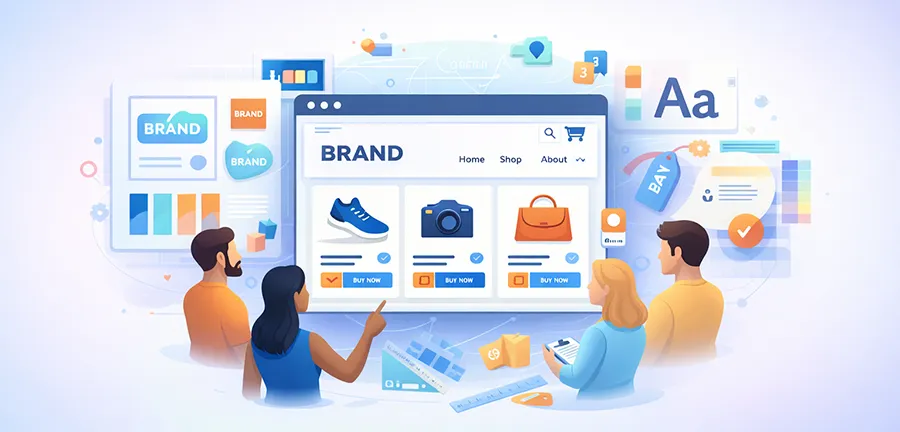
3. Defining Your Brand
A strong brand makes your ecommerce business memorable and trustworthy. It also helps customers choose your store over competitors.
Business name and domain selection
Choose a business name that reflects your niche and is easy to remember. Ideally, the domain name should match your brand name to maintain consistency and improve discoverability online.
Brand identity: logo, colors, fonts, tone of voice
Your brand identity includes visual elements and communication style. Consistent colors, typography, and messaging help create a recognizable brand experience across your website, social media, and packaging.
Unique selling proposition (USP)
Your USP defines what makes your store different from others selling similar products. It could be better product quality, unique designs, faster delivery, sustainability, or superior customer service. A clear USP helps customers quickly understand why they should buy from you.
4. Choosing the Right Platform
Your ecommerce platform is the system that powers your online store. The right choice depends on your budget, technical expertise, customization needs, and long-term growth plans.
Shopify
Shopify is widely used because it is beginner-friendly and quick to set up. It includes hosting, security, payment integration, and a wide range of apps. This makes it ideal for entrepreneurs who want a simple yet scalable platform. The main limitation is the ongoing subscription cost and additional fees for advanced features.
WooCommerce
WooCommerce is a flexible ecommerce solution built for WordPress websites. It allows full customization and control over store functionality. This platform works well for businesses that want to build a highly customized store and have some technical support available. However, it requires managing hosting, updates, and maintenance.
Magento
Magento is designed for large-scale ecommerce operations that require advanced features, complex product catalogs, and extensive customization. It is powerful and scalable but typically requires experienced developers and higher development costs.
BigCommerce
BigCommerce offers a hosted ecommerce solution with strong built-in features such as multi-channel selling, SEO capabilities, and advanced product management tools. It is suitable for growing businesses that need scalability without extensive development work.
Wix
Wix provides an easy-to-use website builder with ecommerce capabilities integrated into the platform. It is often chosen by beginners or small businesses that want to launch quickly without technical complexity. However, it may be less flexible for larger ecommerce stores with advanced requirements.
When choosing a platform, evaluate scalability, ease of use, long-term costs, and how easily the platform integrates with marketing tools, payment systems, and inventory solutions.
5. Domain Name and Hosting
Your domain and hosting setup play a critical role in your website’s performance and reliability.
Selecting a domain that matches your brand
A clear and memorable domain name helps customers find your store easily. Avoid complicated spellings or long names, as they can make it harder for customers to remember your website.
Hosting requirements and performance considerations
Reliable hosting ensures your website loads quickly and remains accessible during high traffic periods. Website speed, uptime reliability, and server security are important factors that influence both user experience and search engine visibility.
6. Website Design and User Experience
A well-designed ecommerce website increases trust, improves navigation, and encourages customers to complete purchases.
Mobile-first design
Most ecommerce traffic now comes from mobile devices. Designing your store with a mobile-first approach ensures the website functions smoothly on smartphones and tablets.
Simple navigation and search functionality
Customers should be able to find products quickly through clear menus, categories, and search options. Poor navigation can cause users to leave your store without purchasing.
Product pages, categories, and calls-to-action
Well-structured product pages should include high-quality images, clear product descriptions, pricing details, and customer reviews. Categories should be organized logically, and strong calls-to-action should guide customers toward making a purchase.
7. Essential Ecommerce Features
To operate efficiently and provide a smooth shopping experience, your store must include key ecommerce features.
Shopping cart and checkout
A simple and streamlined checkout process helps reduce cart abandonment. Minimize unnecessary steps and provide clear pricing information, including taxes and shipping.
Payment gateways and security
Integrate secure payment gateways that support multiple payment methods such as cards, digital wallets, and regional payment options. Security features such as SSL certificates help protect customer data and build trust.
Customer accounts and wishlists
Customer accounts allow users to track orders, save preferences, and manage personal details. Wishlists help customers return later to purchase items they are interested in.
Shipping and return management
Clear shipping policies and easy return processes improve customer confidence. Customers are more likely to buy when they know they can return or exchange products without complications.
8. Inventory and Order Management
Efficient operations are essential for maintaining customer satisfaction and avoiding logistical issues.
Managing stock levels
Track inventory regularly to ensure products remain available without overstocking. Real-time stock updates help prevent selling products that are no longer available.
Integrating inventory software
Inventory management tools help automate stock tracking, forecasting, and reporting. Integration with your ecommerce platform reduces manual work and errors.
Order fulfillment workflows
Establish a clear process for processing orders, packing products, and shipping them promptly. Efficient workflows improve delivery times and customer satisfaction.
9. Legal and Compliance Considerations
Every ecommerce business must meet legal requirements in the regions where it operates.
Business registration and licenses
Register your business according to local regulations and obtain any required permits. This ensures your business operates legally and builds credibility.
Taxes and GST or VAT considerations
Understand how taxes apply to your products and customers. Ecommerce businesses often need to manage GST or VAT depending on the country and location of buyers.
Privacy policy, terms of service, and consumer rights
Your website should clearly display policies explaining how customer data is collected, how orders are handled, and what rights customers have when purchasing from your store.
10. Packaging and Shipping
Packaging and shipping directly affect customer satisfaction and brand perception.
Choosing shipping partners
Select reliable logistics partners that provide consistent delivery performance and tracking services. Reliable shipping helps maintain customer trust.
Packaging options and branding
Packaging should protect products while also representing your brand identity. Branded packaging can enhance the unboxing experience and improve brand recall.
Setting shipping costs and delivery times
Transparent shipping costs and realistic delivery timelines are essential. Some businesses offer free shipping thresholds or multiple delivery options to encourage conversions and improve customer satisfaction.
Ecommerce Marketing Strategy
Understanding how to run an ecommerce business successfully goes far beyond launching a website. Even the best-designed online store will struggle without a strong marketing system that consistently brings in traffic, builds trust, and converts visitors into customers. A well-planned marketing approach helps your store reach the right audience, increase visibility, and generate sustainable sales growth.
The key ecommerce marketing strategies are given below.
Search Engine Optimization (SEO)
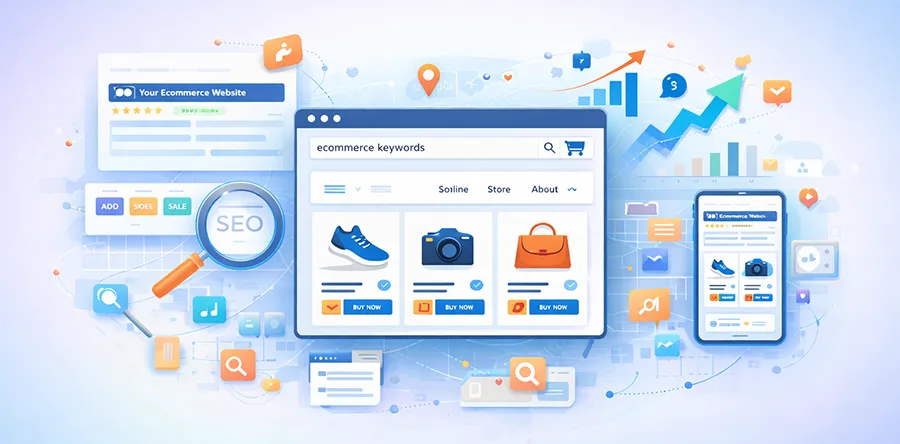
Search engine optimization is one of the most important long-term marketing channels for ecommerce businesses. It focuses on improving your store’s visibility in search results so potential customers can discover your products organically.
On-page SEO for products and categories
Each product and category page should be optimized with relevant keywords, clear titles, descriptive meta tags, and structured content. Product descriptions should be unique, informative, and written to address customer intent rather than copied from suppliers. Proper use of headings, internal linking, and optimized images also helps search engines understand your store better.
Technical SEO for site speed and mobile usability
Search engines prioritize websites that load quickly and perform well on mobile devices. Optimizing images, improving page load times, using secure connections, and ensuring mobile-friendly layouts are essential. Technical improvements not only support search rankings but also improve the overall shopping experience.
Content marketing: blogs, guides, and FAQs
Publishing helpful content related to your products builds authority and attracts search traffic. Blog articles, buying guides, product comparisons, and frequently asked questions help customers make informed decisions while improving search visibility. Over time, this content can drive consistent organic traffic to your store.
Paid Advertising (PPC & Social Ads)
Paid advertising helps ecommerce businesses generate immediate visibility and targeted traffic, especially when launching a new store or promoting specific products.
Google Ads for product targeting
Search ads and shopping ads allow you to reach users who are actively searching for products similar to yours. These campaigns can be optimized based on keywords, user intent, and product performance data to increase conversions.
Meta Ads (Facebook and Instagram) for retargeting
Social platforms such as Facebook and Instagram are effective for retargeting users who have already visited your store. Retargeting campaigns remind potential customers about products they viewed and encourage them to return and complete their purchase.
TikTok and Pinterest ads for niche audiences
Platforms like TikTok and Pinterest can be powerful for visually driven or trend-based products. These platforms allow brands to reach highly engaged audiences through creative content, discovery-based browsing, and targeted advertising campaigns.
Social Media Marketing
Social media plays a major role in building brand awareness and connecting with potential customers.
Choosing the right platforms
Not every platform is suitable for every business. The ideal choice depends on your audience demographics and product category. Platforms such as Instagram, Facebook, TikTok, Pinterest, and YouTube are commonly used in ecommerce marketing. Visual platforms work well for fashion, lifestyle, and design-focused products, while other platforms may be better suited for communities or discussions.
Organic content vs influencer collaborations
Organic content includes regular posts, product showcases, behind-the-scenes updates, and customer stories. Influencer collaborations, on the other hand, help expand reach by leveraging trusted voices who already have an engaged audience within your niche.
Engaging audiences with stories and reels
Short-form content such as stories and reels can increase engagement and visibility. Demonstrating product usage, sharing customer experiences, and highlighting promotions can make your brand more relatable and interactive.
Email Marketing
Email marketing remains one of the most effective channels for ecommerce businesses because it allows direct communication with potential and existing customers.
Building an email list
Your email list can grow through newsletter signups, discount offers, or gated content such as guides or exclusive deals. Collecting emails early allows you to nurture leads even if visitors do not purchase immediately.
Automated campaigns for abandoned carts and promotions
Automation allows you to send targeted emails triggered by user behavior. For example, abandoned cart emails remind customers about items left in their cart, while promotional emails highlight discounts, new arrivals, or seasonal campaigns.
Personalization strategies
Personalized emails based on browsing behavior, purchase history, or preferences often perform better than generic messages. Personalization helps customers feel that the brand understands their needs.
Affiliate and Referral Marketing
Affiliate and referral programs help ecommerce businesses expand their reach by encouraging others to promote their products.
Partnering with affiliates
Affiliates such as bloggers, content creators, or niche websites promote your products and earn a commission for each successful sale. This model allows businesses to gain exposure without paying upfront advertising costs.
Creating referral programs
Referral programs encourage existing customers to recommend your store to others. Incentives such as discounts, reward points, or exclusive offers can motivate customers to share your brand.
Tracking performance and ROI
Tracking tools and analytics platforms help measure which affiliates or referral sources generate the most sales. Monitoring performance ensures your marketing investments are producing profitable results.
A well-balanced ecommerce marketing plan usually combines organic strategies, paid campaigns, and customer retention efforts. For a deeper understanding of proven marketing approaches, you can also explore Ecommerce Marketing Strategies That Increase Sales and Conversions, which explains how different tactics work together to drive consistent growth.
Analytics and Performance Tracking
Tracking performance allows ecommerce businesses to identify strengths and improve weak areas.
Tools like Google Analytics and Google Search Console provide valuable insights into website performance.
Important ecommerce metrics include:
- Conversion rate
- Average order value
- Customer acquisition cost
- Customer lifetime value
Dashboards help visualize trends in traffic, revenue, and product performance. Businesses that analyze data regularly make better strategic decisions and improve profitability.
Scaling Your Ecommerce Business
Once a store gains traction, the next step is growth. Expanding product lines can attract new customers and increase order value.
Many businesses also explore multi-channel selling through marketplaces like Amazon, Etsy, and Flipkart.
Automation tools can help streamline operations such as:
- Customer support
- Order management
- Marketing campaigns
- Inventory updates
Partnerships with suppliers, distributors, or B2B clients can also create new revenue opportunities and accelerate business growth.
Common Challenges and How to Overcome Them
Every ecommerce business faces challenges, especially during early growth stages.
Competition and price pressure
Strong branding and customer experience help differentiate your store from competitors.
Cart abandonment
Simplifying checkout processes and offering multiple payment options can improve conversions.
Customer retention
Loyalty programs, excellent support, and personalized offers help retain customers.
Logistics and supply chain issues
Working with reliable suppliers and maintaining backup plans helps minimize disruptions.
Summary Of How to Start an Online Store
Building a successful ecommerce store involves multiple steps that work together to create a sustainable business. Entrepreneurs begin by selecting a niche, researching customers, and choosing products with strong demand. They then develop a professional website, implement essential ecommerce features, and create marketing strategies that attract traffic and convert visitors into buyers.
Operational systems such as inventory management, shipping processes, and legal compliance ensure the business runs smoothly. Over time, analytics and performance tracking help refine strategies and improve results.
As many aspiring entrepreneurs begin researching ecommerce opportunities, they gradually discover that understanding how to start an ecommerce business is really about combining planning, technology, branding, and marketing into a well-structured system. With consistent effort and continuous improvement, an online store can grow into a reliable and scalable digital business.
Need an eCommerce Development Company for Your Online Store?
Our eCommerce development company in Kochi builds professional online stores tailored to your business goals, products, and customers. We create scalable eCommerce websites with user-friendly navigation, essential features, and a smooth shopping experience. Get in touch with us today to build your online store.