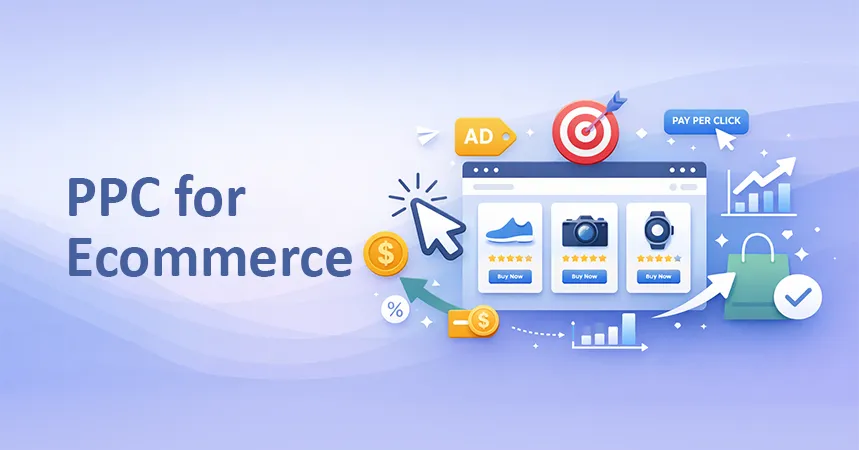
PPC for ecommerce is one of the fastest ways online stores attract potential buyers and generate targeted traffic. Many businesses exploring paid advertising also look into Ecommerce Marketing Strategies That Increase Sales and Conversions early in their planning process because understanding broader marketing methods helps improve campaign performance. PPC allows ecommerce brands to place their products in front of shoppers who are actively searching for them, which increases visibility and improves the chances of sales.
Paid advertising plays a major role in helping products appear in search results, shopping listings, and relevant online platforms. In highly competitive ecommerce markets, brands use paid campaigns to stand out and reach the right audience at the right time. This guide explains important platforms, key benefits, and practical strategies that help improve advertising results.
Why PPC Is Important for Ecommerce Businesses
Paid advertising offers several advantages for online stores that want to increase traffic and sales. The key benefits are explained below.
1. Instant visibility for products
PPC for ecommerce helps online stores display their products immediately in search results and shopping listings, which increases exposure to potential buyers. Instead of waiting for organic rankings to improve, businesses can appear in front of ready-to-buy customers quickly. Many online stores work with professional PPC agencies to launch well-structured campaigns that ensure products gain visibility at the right time.
2. Targeted traffic from potential buyers
One of the biggest advantages of ecommerce PPC is the ability to target people who are likely to buy. Advertisers can focus on users based on search intent, demographics, interests, or online behavior. This targeting ensures that marketing efforts reach relevant audiences instead of general traffic that may not convert into paying customers.

3. Faster sales and conversions
Unlike many long-term marketing methods, ecommerce PPC services can start generating results soon after launch. When ads appear in front of shoppers who are actively searching for specific products, the chances of conversions increase. This makes paid advertising particularly useful for product launches, seasonal promotions, and competitive ecommerce markets.
4. Full control over ad spending
Ecommerce businesses can decide how much they want to spend each day or month on advertising. Campaign budgets can be increased, reduced, or paused based on performance. This flexibility allows businesses to allocate funds efficiently and invest more in campaigns that are producing strong results.
5. Easy performance tracking
Paid advertising platforms provide detailed analytics that help businesses understand how campaigns are performing. Metrics such as clicks, conversions, cost per click, and return on ad spend make it easier to evaluate results. This data-driven approach helps improve ecommerce PPC management over time.
6. Retargeting potential customers
Many online shoppers visit a store but do not make a purchase on their first visit. PPC campaigns allow businesses to retarget these users with relevant ads later. Retargeting keeps products visible to interested visitors and encourages them to return to the store and complete their purchase.
7. Scalable advertising for growth
As ecommerce stores grow, PPC campaigns can scale alongside them. Businesses can expand campaigns to new product categories, locations, or audience groups. This scalability makes paid advertising a reliable channel for stores that want consistent growth in traffic and revenue.
8. Competing effectively in search results
In highly competitive ecommerce industries, paid ads help businesses stay visible even when large brands dominate organic rankings. By bidding on relevant keywords and optimizing campaigns, smaller stores can still appear alongside established competitors and attract potential customers.
Key Platforms Used for Ecommerce PPC
Several advertising platforms help online stores run effective paid campaigns and reach potential customers at different stages of the buying journey. Each platform offers unique targeting options, ad formats, and opportunities to increase product visibility. The most commonly used platforms for ecommerce PPC are explained below.
Google Ads
Google Ads for ecommerce is one of the most important advertising channels for online stores. It allows businesses to appear when users search for product-related queries. Search ads help capture demand from shoppers actively looking for products. Shopping campaigns display product images, prices, and store information. Display ads help increase brand visibility across websites and online platforms.
Facebook Ads
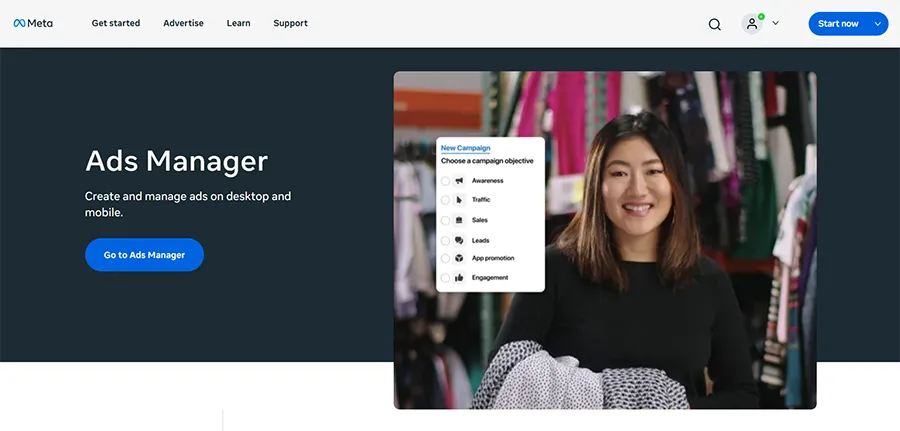
Facebook Ads allow ecommerce businesses to reach audiences based on interests, demographics, and online behavior. This targeting helps brands promote products to users who are more likely to engage with them. Dynamic product ads are especially useful for ecommerce campaigns. They automatically show relevant items to users and support retargeting strategies that bring potential customers back to the store.
Instagram Ads
Instagram Ads are widely used for visual product promotions, especially for ecommerce brands that rely on strong imagery and engaging content. Businesses can showcase products through images, videos, and carousel ads that attract attention quickly. Shopping-focused ad formats allow users to explore product details directly from the advertisement, helping drive traffic to product pages and increasing potential conversions.
Amazon Ads
Amazon Ads are valuable for ecommerce businesses selling products within marketplace environments. Sponsored product ads appear directly in search results when shoppers look for related items. As a key channel for PPC for ecommerce, this placement increases product visibility, attracts high-intent shoppers, and helps sellers improve discoverability while driving consistent marketplace sales.
Microsoft Advertising
Microsoft Advertising allows ecommerce businesses to run search campaigns across Bing and its partner networks. Although often overlooked, it can provide additional traffic opportunities and reach audiences that may not be active on other platforms. These campaigns help expand advertising reach while capturing product-related searches from users exploring alternative search engines.
PPC Strategies for Ecommerce Success
Strong ecommerce PPC management requires a clear structure and consistent optimization so campaigns continue to perform well over time. Instead of making random adjustments, successful ecommerce advertisers follow defined strategies that improve targeting, ad quality, and campaign efficiency. The most important steps that help optimize ecommerce advertising campaigns are explained below.
1. Focus on high-intent keywords
High-intent keywords are searches made by users who are actively considering a purchase. These keywords help ecommerce stores reach people who are closer to converting. When campaigns focus on such search terms, the quality of traffic improves and the chances of generating sales increase. The key ways to optimize keyword targeting are explained below.
- Keyword research for buyer intent: Businesses should analyze search queries that clearly indicate purchasing interest. This includes terms that mention product names, comparisons, or phrases used when shoppers are ready to buy. Identifying these searches helps ensure ads appear for users who are more likely to convert.
- Product-focused keyword selection: Campaigns should prioritize keywords that directly relate to the products being sold. When ads match specific product searches, they become more relevant and attract users who already know what they want to purchase.
- Ongoing keyword refinement: Performance data should be reviewed regularly to identify which keywords generate conversions. Removing low-performing keywords and improving successful ones helps campaigns become more effective over time.
2. Structure campaigns by product categories
Proper campaign organization helps ecommerce stores manage ads more effectively and maintain strong relevance between ads and products. When campaigns are structured based on product categories, businesses can better control budgets and optimize performance across different product groups. The important improvements that support this structure are explained below.
- Category-based campaign setup: Campaigns should be divided according to product types or collections so each campaign targets a specific audience segment. This structure improves ad relevance and makes campaign management easier.
- Relevant landing page alignment: Each ad group should direct users to a product page that matches the advertised category. This alignment improves the shopping experience and increases the likelihood of conversions.
- Budget allocation by category results: Performance should be evaluated for each category so budgets can be adjusted accordingly. High-performing product groups may receive increased investment while weaker segments are optimized.
3. Optimize product feeds for shopping ads
An experienced ecommerce PPC consultant understands that product feeds play a major role in the success of shopping campaigns because they determine how products appear in ads. A well-optimized feed helps ads match relevant searches and present accurate information to potential buyers. The most important improvements for product feeds are explained below.
- Clear and optimized product titles: Titles should accurately describe the product and include important keywords that shoppers frequently search for. Well-structured titles help ads appear for relevant queries.
- Detailed and informative product descriptions: Descriptions should clearly explain product features, benefits, and important details. This helps shoppers quickly understand what the product offers and why it is valuable.
- Consistent and updated product information: Product feeds should be updated regularly to ensure prices, availability, and images remain accurate. Maintaining accurate data improves user trust and ad performance.
4. Write clear and compelling product ads
Well-written advertisements are essential for attracting clicks and encouraging users to explore products. Ads should communicate value quickly while matching the user’s search intent. When ad messaging is clear and relevant, it improves engagement and increases conversions. The key elements that strengthen product ads are explained below.
- Emphasize the product’s main benefit: Ads should focus on what makes the product useful or unique so shoppers immediately understand its value. Highlighting benefits increases interest and encourages users to click.
- Use strong and meaningful calls to action: A clear call to action guides users toward the next step, whether it is exploring the product page or learning more about the offer.
- Maintain relevance with search queries: Ad messaging should closely reflect the keywords used in the campaign so users feel confident that the ad matches their needs.

5. Use audience targeting to reach buyers
Audience targeting helps ensure that ads reach people who are more likely to be interested in the products being promoted. Instead of targeting a broad audience, this strategy focuses on users whose behavior or interests match the brand’s offerings. The key targeting improvements are explained below.
- Behavior and interest-based targeting: Advertising platforms allow businesses to reach users who have shown interest in related products or categories, which improves campaign relevance.
- Customer-based audience creation: Businesses can create audiences using data from website visitors or previous customers to improve ad targeting.
- Similar audience expansion: Similar audience targeting helps businesses reach new potential buyers who share characteristics with existing customers.
6. Run remarketing campaigns for visitors
Remarketing campaigns focus on users who previously interacted with a website but did not make a purchase. These users are already familiar with the brand, which increases the chances of conversion when they see ads again. The most effective remarketing improvements are explained below.
- Product reminder advertising: Ads should display products that users previously viewed so they are reminded about their earlier interest.
- Strengthening brand familiarity: Repeated exposure to the brand through remarketing helps build recognition and trust among potential customers.
- Personalized messaging for returning users: Tailoring ad messaging based on previous interactions helps make the ads more relevant and engaging.
7. Target abandoned cart shoppers
Many ecommerce visitors add items to their cart but leave before completing the purchase. Targeting these shoppers with specific campaigns can help recover potential sales and improve overall conversions. The key improvements for cart recovery campaigns are explained below.
- Dedicated abandoned cart campaigns: Ads should specifically target users who left items in their cart so they are reminded about their unfinished purchase.
- Reinforcing product value: Messaging should highlight the benefits or usefulness of the product to encourage users to return and complete their order.
- Addressing purchase concerns: Ads can include reassuring information about delivery, returns, or product reliability to reduce hesitation.
8. Use smart bidding to improve ROI
Smart bidding strategies help advertisers manage bids automatically based on campaign goals and performance signals. This approach improves efficiency while helping campaigns focus on conversions and revenue. The most important bidding improvements are explained below.
- Conversion-focused bidding strategies: Automated bidding can prioritize actions such as purchases instead of only focusing on clicks.
- Signal-based bid adjustments: Advertising systems analyze factors like device type, location, and user behavior to optimize bidding decisions.
- Continuous improvement through data: As campaigns collect more data, smart bidding becomes more accurate and helps improve overall campaign performance.
9. Test and improve ads regularly
Testing helps identify which ads perform best and which require improvement. Continuous experimentation ensures campaigns remain effective and adapt to changes in customer behavior. The important testing improvements are explained below.
- Headline variation testing: Testing different headlines helps determine which messaging attracts the most attention and clicks.
- Visual and format experimentation: Trying different images, ad layouts, or formats can reveal what resonates most with potential buyers.
- Data-driven ad refinement: Campaign results should be analyzed to identify successful ad elements that can be used in future campaigns.
10. Track and improve performance
Tracking performance is essential for maintaining strong campaign results and identifying areas for improvement. Consistent analysis helps businesses understand what is working and what needs adjustment. The key performance improvements are explained below.
- Monitoring key advertising metrics: Businesses should track metrics such as click-through rate, conversion rate, and return on ad spend to evaluate campaign success.
- Identifying optimization opportunities: Data analysis helps identify underperforming campaigns or audiences that require improvement.
- Continuous campaign optimization: Campaign elements such as targeting, budgets, and creatives should be refined regularly to maintain effective performance and growth.
You may also find it useful to explore a broader guide that explains proven ecommerce marketing techniques that help increase conversions and sales, which complements paid advertising strategies.
Conclusion of PPC for Ecommerce
PPC for ecommerce helps online businesses attract targeted customers and increase sales in competitive markets. Paid advertising allows stores to reach shoppers who are actively searching for products, making it an efficient way to generate qualified traffic and improve product visibility.
Choosing the right platforms and implementing strong strategies can greatly improve campaign performance. Businesses that combine effective targeting, optimized ads, and well-structured campaigns often achieve stronger and more consistent results over time.
Success does not come from launching campaigns alone. Ongoing testing, optimization, and data analysis are necessary for long-term growth. By refining strategies and adapting to customer behavior, ecommerce businesses can continue improving their paid advertising performance and support steady online sales.