Updated on January 10, 2026
Dropshipping has become one of the most talked-about ecommerce models over the past decade, especially among entrepreneurs looking to start an online business with minimal upfront investment.
Instead of buying products in bulk and managing inventory, sellers focus on marketing and customer experience while third parties handle storage and shipping. This model appeals to beginners because of its low barrier to entry and to experienced sellers because of its scalability and flexibility.
However, dropshipping is not without limitations. Understanding how the model works, who is involved, and where challenges arise is essential before committing time and resources. This guide explains dropshipping in detail, covering its structure, benefits, risks, and practical considerations to help you decide if it fits your business goals.
What Is Dropshipping?
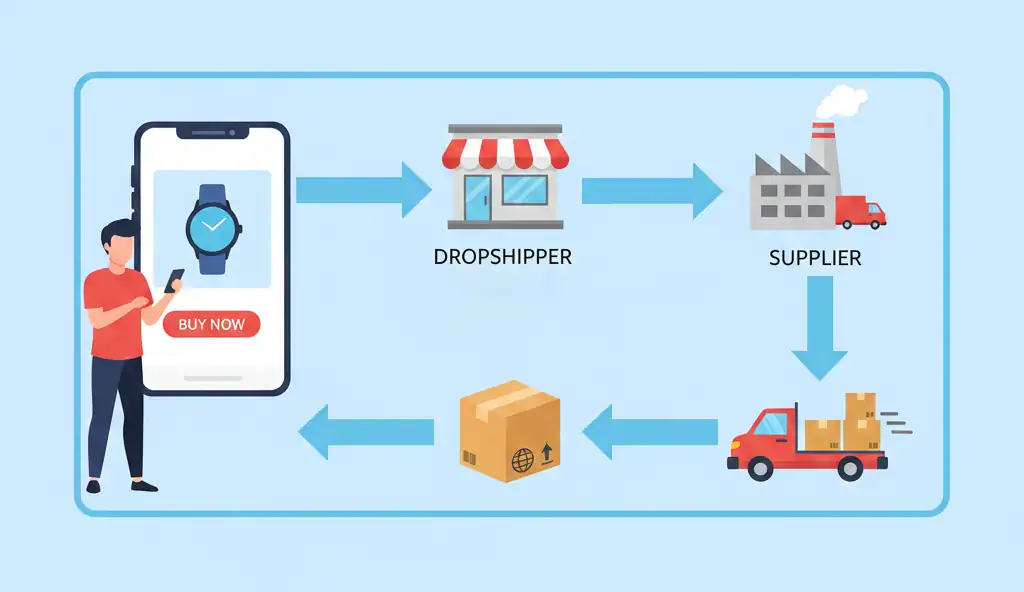
Dropshipping is an ecommerce fulfillment model where a store sells products without keeping them in stock. Instead of purchasing inventory upfront, the store lists products from third-party suppliers. When a customer places an order, the seller purchases the item from a supplier, who then ships it directly to the customer.
The key difference between dropshipping and traditional retail lies in inventory ownership. In a conventional ecommerce setup, the retailer buys products in advance, stores them, and ships orders themselves. In contrast, a dropshipping store acts as an intermediary between the customer and the supplier.
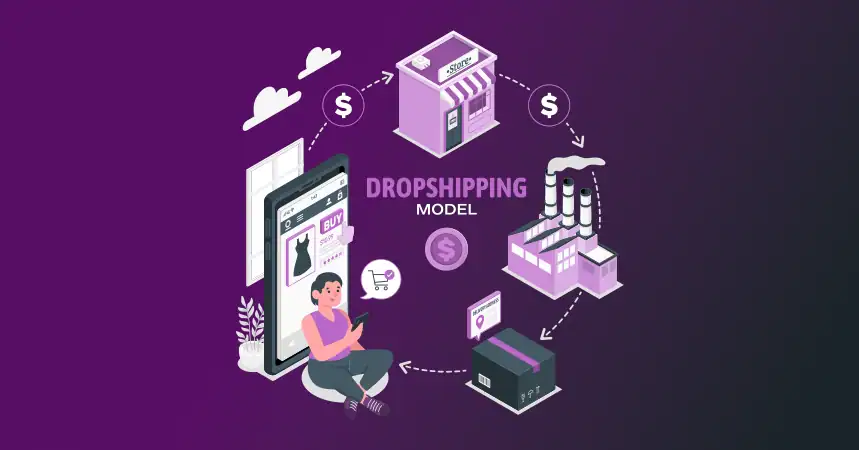
There are three main roles in this model. The store owner creates and manages the online store, sets prices, and handles marketing and customer support. The supplier stores the products and manages fulfillment. The customer purchases products from the store, often without realizing a third party is involved in shipping. This structure allows sellers to run an online business without the operational burden of inventory management.
How Does Dropshipping Work?
Dropshipping follows a straightforward order flow, but understanding how money and responsibilities move through the process is critical. The store owner always receives payment from the customer first and then pays the supplier after the sale is made.
Customer Places an Order on an Online Store
A customer visits a dropshipping website, browses products, and completes a purchase at the retail price set by the store owner. The payment is processed through the store’s payment gateway, and the full amount is credited to the seller’s account.
Store Forwards the Order to the Supplier
After receiving the order details and payment, the store owner places the same order with the supplier at the agreed wholesale price. This step includes providing the customer’s shipping address. The supplier is paid using a portion of the money already collected from the customer.
Supplier Ships the Product Directly to the Customer
Once the supplier confirms the order, they package and ship the product directly to the customer. In many cases, the packaging is neutral or branded to appear as though it came from the store itself. The customer does not interact with the supplier during this process.
Store Owner Manages Marketing, Branding, and Customer Service
While the supplier handles fulfillment, the store owner remains responsible for attracting customers, building brand trust, and providing support. This includes managing advertisements, responding to inquiries, handling refunds, and maintaining the overall shopping experience.
What Are Dropshipping Suppliers?
Dropshipping suppliers are third-party businesses that store products and fulfill orders on behalf of online sellers. They play a central role in the dropshipping business model, as product quality, shipping speed, and reliability depend heavily on them.
Manufacturers
Manufacturers produce goods and sometimes ship directly to customers on behalf of sellers. Working with manufacturers can result in lower product costs, but communication and minimum order requirements may be more complex.
Wholesalers
Wholesalers purchase products in bulk from manufacturers and resell them to retailers. Many wholesalers now support dropshipping arrangements, offering faster fulfillment and more consistent stock availability.
Print-on-Demand Providers
Print-on-demand suppliers create custom products such as apparel, mugs, or posters only after an order is placed. This option is popular for branded merchandise and creative businesses, as it eliminates the need for inventory while allowing personalization.
Dropshipping Marketplaces
Marketplaces connect sellers with multiple suppliers through a single platform. These services often provide automation tools for importing products and processing orders, making them attractive to beginners.
Supplier reliability directly impacts product quality, delivery times, and customer satisfaction. Choosing dependable dropshipping suppliers is one of the most important decisions a seller will make.
Types of Dropshipping Business Models
Not all dropshipping stores operate the same way. Different models suit different goals, budgets, and levels of experience.
Product Reselling
This is the most common approach, where sellers list popular products sourced from suppliers and compete on pricing, marketing, or convenience. It works well for testing trends but can be highly competitive.
Niche Dropshipping Stores
Niche stores focus on a specific audience or product category, such as fitness accessories or pet supplies. This model allows for targeted marketing and stronger brand identity, often leading to higher customer loyalty.
Print-on-Demand Dropshipping
Print-on-demand stores sell customized or branded products created only after purchase. This approach is ideal for creators and businesses looking to build a unique brand without holding inventory.
Private-Label Dropshipping
Private-label dropshipping involves selling products manufactured exclusively for a brand, often with custom packaging. While this model requires more coordination, it offers greater control over branding and differentiation.
Benefits of Dropshipping
Dropshipping removes several traditional barriers associated with retail and inventory-based selling. This makes it appealing to entrepreneurs who want to start online with limited resources while still maintaining flexibility to adapt and grow.
1. Low Startup Costs
Getting started does not require purchasing products in bulk or committing money to storage facilities. Because items are sourced only after an order is placed, upfront expenses remain low. This allows sellers to launch an online store without significant financial pressure and allocate more budget toward marketing and customer acquisition.
2. No Inventory Management
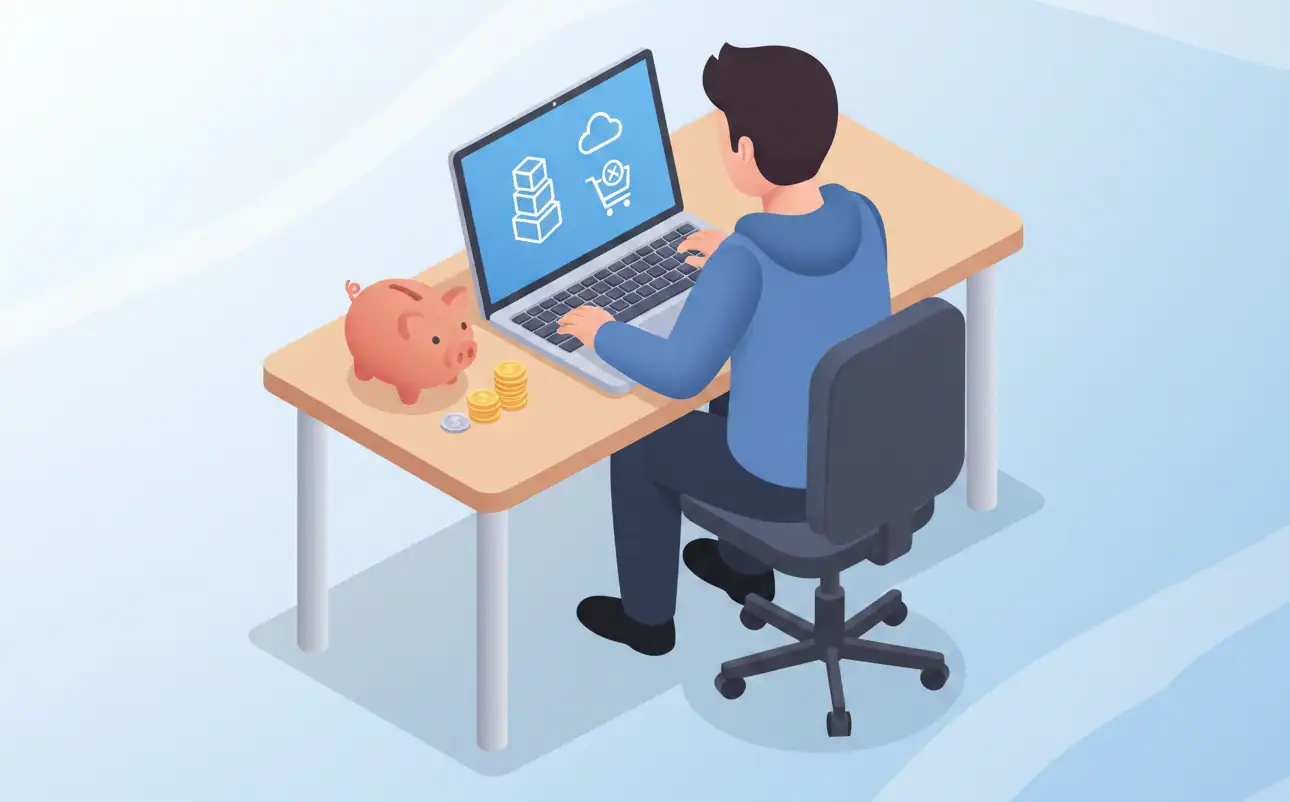
Product storage, packing, and shipping are handled by suppliers, removing the need to manage physical stock. Sellers do not have to worry about warehouse organization, damaged goods, or stock reconciliation. This streamlined structure reduces operational workload and simplifies day-to-day management.
3. Reduced Financial Risk
Since inventory is not purchased in advance, the risk of capital being locked into unsold products is minimal. If demand drops or a product fails to perform, it can be removed from the store without direct financial loss. This makes it easier to adjust strategies without long-term consequences.
4. Flexibility to Test Products
Product testing is one of the strongest advantages of this model. New items can be introduced quickly to gauge interest and sales performance. Sellers can refine their offerings based on real market response rather than assumptions, keeping only products that show consistent demand.
5. Location-Independent Operations
Because fulfillment is outsourced, the business is not tied to a specific location. Store management, customer communication, and marketing can all be handled remotely. This flexibility suits entrepreneurs who prefer remote work or want the freedom to operate across different time zones.
6. Sell a Wide Range of Products
Without storage limitations, stores can offer a larger and more diverse product range. Sellers can expand or narrow their catalog based on trends, seasons, or customer behavior without logistical constraints. This adaptability helps maintain relevance in changing markets.
7. No Need for Product Development
Products are already manufactured and ready for sale, eliminating the need for design, testing, or production planning. Sellers can focus on presentation, pricing, and positioning rather than investing time and resources into product creation.
8. Simple to Launch
Setting up an online store requires fewer steps compared to traditional retail models. Ecommerce platforms provide ready-made tools for listing products, processing payments, and managing orders, allowing sellers to launch faster without advanced technical knowledge.
9. Scales Easily
As sales increase, suppliers handle higher order volumes without requiring additional infrastructure from the seller. This makes growth more manageable and allows the business to scale without adding storage space, staff, or complex logistics systems.
Limitations and Challenges of Dropshipping
Despite its advantages, dropshipping also presents challenges that sellers must manage carefully.
1. Lower Profit Margins
Competition and supplier costs often result in slimmer margins compared to traditional retail.
2. Limited Control Over Shipping and Quality
Sellers rely on suppliers for fulfillment, which can lead to delays or inconsistent quality.
3. High Competition
Low entry barriers attract many sellers, making differentiation more difficult.
4. Supplier Dependency
Business operations depend heavily on supplier reliability and inventory availability.
5. Customer Service Complexities
Handling refunds, returns, and complaints can be challenging when fulfillment is outsourced.
How to Start a Dropshipping Business
Starting a dropshipping business is less about technical expertise and more about making informed decisions at each stage. Careful planning, market understanding, and consistent execution play a much bigger role in long-term success than complex tools or systems.
Choosing a Niche
Selecting a clear niche helps define your target audience and guides all future decisions, from product selection to marketing. A focused market makes it easier to understand customer needs, create relevant messaging, and stand out from generic stores. Rather than trying to sell everything, narrowing the scope allows for stronger branding and more effective promotion.
Finding Reliable Suppliers
Suppliers are a critical part of the business, so thorough research is essential. Look for consistent product quality, reliable shipping times, and clear communication. Reviews, sample orders, and trial periods can help evaluate performance before fully committing. Working with dependable suppliers reduces fulfillment issues and improves customer satisfaction.
Setting Up an Ecommerce Store
Once the niche and suppliers are in place, the next step is building the online store. Choose a platform that supports easy product management, secure payments, and a smooth checkout experience. Store design should be clean and intuitive, with clear product information and transparent policies to build trust with visitors.
Pricing Products
Pricing should account for product costs, transaction fees, marketing spend, and desired profit margins. At the same time, prices must remain competitive within the chosen market. Finding the right balance often requires testing and adjustment based on customer response and advertising performance.
Marketing and Order Management
Attracting customers requires consistent marketing through channels such as search, social media, or paid advertising. Once orders begin coming in, monitoring fulfillment and tracking delivery progress is important to avoid issues. Clear communication and timely support help ensure a smooth experience from purchase to delivery.
Pricing, Profit Margins, and Costs
Pricing in dropshipping involves balancing competitiveness with sustainability. Sellers must account for product costs, platform fees, transaction charges, and marketing expenses. Profit margins vary widely, but realistic expectations often range from modest to moderate, depending on niche and strategy. Successful sellers focus on volume, branding, and customer retention rather than relying on a single high-margin product.
Is Dropshipping Legal and Legitimate?
Dropshipping is a legal and legitimate business model when operated correctly. Sellers must comply with business registration requirements, tax regulations, consumer protection laws, and ecommerce platform policies. Transparency, accurate product descriptions, and reliable customer service are essential for building trust and maintaining compliance.
Dropshipping vs Traditional Ecommerce
Dropshipping differs significantly from inventory-based ecommerce.
In terms of cost, dropshipping requires less upfront investment. Risk is lower because inventory is not purchased in advance. Scalability is easier, as fulfillment is outsourced. However, control over branding, shipping, and quality is greater in traditional ecommerce. Each model has advantages depending on business priorities.
Who Is Dropshipping Best Suited For?
Dropshipping works best for entrepreneurs who value flexibility and low risk.
First-Time Ecommerce Sellers
This model is ideal for beginners who want to start selling online without investing heavily in inventory or warehouses. It allows them to learn the basics of ecommerce while keeping costs low.
Side-Hustlers
Individuals who want to run a business alongside a job or other commitments can benefit from dropshipping. Fulfillment is handled by suppliers, making it easier to manage in limited free time.
Digital Marketers
Entrepreneurs with marketing skills can focus on driving traffic and conversions without worrying about shipping or storage. This allows them to turn their digital marketing expertise into a profitable business.
Small Businesses Testing New Products
Existing businesses can use dropshipping to test new products or niches without large investments. It provides a low-risk way to gauge customer interest before committing to stock.
In a Nutshell
Dropshipping is an ecommerce model that allows sellers to operate online stores without holding inventory. By partnering with third-party suppliers, store owners focus on marketing, branding, and customer relationships while suppliers handle fulfillment.
The model offers low startup costs, flexibility, and scalability, but it also comes with challenges such as competition and limited control. Understanding how dropshipping works, choosing reliable partners, and setting realistic expectations are essential steps before starting a successful dropshipping business.