When it comes to driving sustainable traffic, leveraging Pinterest for SEO is one of the most underrated strategies in a digital marketer’s arsenal. Unlike traditional social media platforms where content has the lifespan of a mayfly, Pinterest acts as a powerful visual discovery engine. Understanding Social Media in SEO: How Social Engagement Influences Organic Search is crucial here, as it highlights how cross-platform engagement feeds into your broader search visibility.
While many view Pinterest as a place to find home decor or recipes, it functions more like Google than Facebook. Users go there to plan, shop, and discover, using specific queries to find solutions. This intent-driven behavior makes it an ideal partner for your organic growth strategy. Because Pins are indexed by major search engines and have a half-life of months rather than minutes, the work you put in today can pay dividends for years.
Essential Pinterest SEO Strategies
Optimizing your Pinterest presence requires a holistic strategy. Every aspect, from account setup to metadata and engagement tracking, is essential for helping your Pins rank in search results on Pinterest as well as in search engines like Google. Below are the key areas to focus on.
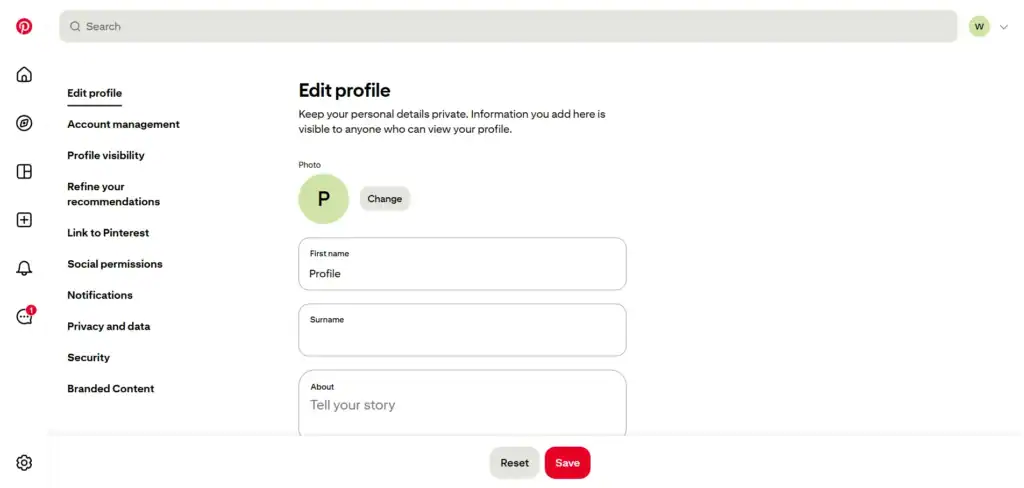
1. Profile Architecture: Setting the Foundation
Your journey begins with a Pinterest Business Account. This is non-negotiable, as it grants you access to analytics and the ability to run “Rich Pins.” Once your business account is live, you must treat your profile as a landing page.
- Display Name: Don’t just use your brand name. If you are a boutique travel agency, your name should be “Nomad Travels | Luxury European Tours & Travel Tips.” This injects Pinterest SEO keywords directly into the highest level of your account hierarchy.
- The Bio: You have 160 characters to explain who you are and what you offer. Use this space to incorporate secondary keywords while maintaining a human, approachable tone.
- Claiming Your Domain: Ensure your website is verified. This builds trust with the algorithm and ensures your profile picture appears next to any Pin saved from your site.
2. Keyword Mapping: The Discovery Phase
Before you design a single graphic, you need to know what your audience is searching for. Fortunately, the best Pinterest SEO tool is the platform itself.
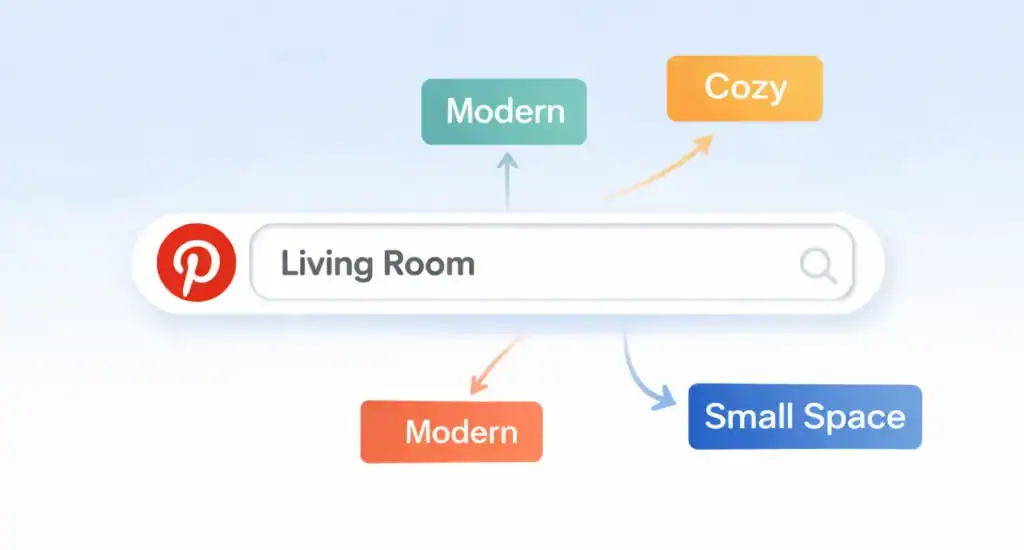
- The Guided Search Bar: Start typing a broad term like “Living Room.” Pinterest will suggest a series of colored tiles with additional words like “Modern,” “Cozy,” or “Small Space.” These are the exact terms users are pairing with your primary topic.
- Pinterest Trends: This tool allows you to see the volume of specific searches over time. It is invaluable for planning content months in advance, ensuring you hit the peak of seasonal interest (e.g., searching for “Christmas Crafts” in September).
- ABC Method: Type your keyword followed by “a,” then “b,” and so on. The auto-suggest feature will reveal long-tail keywords you might have otherwise missed.
3. Board Hierarchy: Organizing Digital Filing Cabinets
Think of your boards as the chapters of a book. They provide context to the Pins lives within them. If a Pin about “Vegan Lasagna” is placed in a board titled “Stuff I Like,” Pinterest struggles to categorize it. If it’s in a board titled “Easy Vegan Dinner Recipes,” the algorithm knows exactly who to show it to.
- Board Titles: Keep them specific and keyword-rich.
- Descriptions: This is a prime spot for Pinterest SEO. Write 2–3 sentences describing what the board offers. Don’t just list keywords; write for humans while weaving in your target terms.
- Categorization: Assign each board to a specific Pinterest category (e.g., Education, Food & Drink) to help the engine understand your niche.
4. Visual Data Optimization: Designing for the Lens
Pinterest uses sophisticated AI called “Pinterest Lens” to “read” the contents of an image. It identifies shapes, objects, and even text within the graphic.
- Aspect Ratio: Always stick to a 2:3 ratio (e.g., 1000 x 1500 pixels). Square or horizontal images are often buried in the feed.
- Text Overlays: Use high-contrast, legible fonts. If your Pin is about “Budget SEO Tips,” those words should be bold and easy to read on a mobile device. The AI will scan this text to help determine the Pin’s rank.
- Image Quality: High-resolution, original photography always outperforms stock photos. Avoid faces when possible; Pinterest data shows that images without human faces often get 23% more Pins.
5. Metadata Mastery: Writing for the Algorithm
Every Pin you upload is an opportunity to provide metadata. This is where Pinterest SEO becomes highly technical.
- Pin Titles: You have 100 characters, but the first 30 are the most important. Lead with your strongest keyword.
- Descriptions: You have 500 characters. Use the first two sentences to explain the value of the Pin. Include a clear Call to Action (CTA) like “Click to read the full guide” or “Shop the collection here.”
- Alt Text: This is often overlooked but vital for accessibility and SEO. Describe exactly what is in the image for visually impaired users, which also provides another layer of context for the search engine.
6. Rich Pin Integration: Enhancing Authority
Rich Pins are a type of organic Pin format that provides more information directly on the Pin itself. There are three types: Product, Recipe, and Article.
- Article Pins: These automatically pull the headline, author, and story description from your website.
- Recipe Pins: These display ingredients, cooking times, and serving sizes.
- Product Pins: These show real-time pricing and availability. By enabling Rich Pins via your website’s Open Graph tags, you signal to Pinterest that your site is a high-quality, authoritative source.
7. The “Freshness” Rule: Quality Over Frequency
Gone are the days of pinning the same image to ten different boards. The current algorithm prioritizes “Fresh Pins.” A Fresh Pin is defined as an image or video that Pinterest hasn’t seen before.
- Vary Your Creative: If you have one blog post, create 5–10 different Pin designs for it. Change the background image, the font colors, or the headline.
- Avoid Repetitive Pinning: Instead of re-pinning your own old content, focus on uploading new assets. This keeps your feed active and signals to the algorithm that you are a consistent creator.
8. Engagement Signals: The Logic of the Save
On Pinterest, a “Save” (formerly a Re-pin) is the ultimate endorsement. It tells the platform that your content is so valuable the user wants to keep it for later.
- Outbound Clicks: While saves are great for reach, outbound clicks are the goal for growth. High click-through rates (CTR) tell Pinterest that your content is relevant to the search query.
- The First Five: The first five Pins you publish each day are generally given the most distribution. Make sure these are your highest-quality, most keyword-optimized assets.
Measuring Success with Analytics
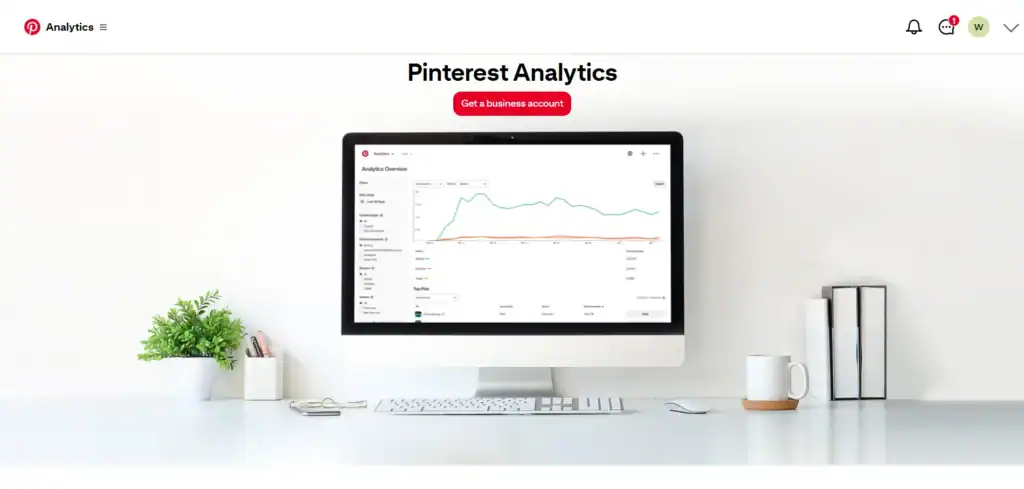
You cannot improve what you do not measure. By diving into your dashboard, you can refine your Pinterest SEO tool kit based on hard data rather than guesswork.
Using the Pinterest Analytics Dashboard
The native analytics tool provides a wealth of information. You should pay close attention to:
- Top Pins: Which images are getting the most impressions? Look for patterns in the colors, fonts, or headlines used.
- Top Boards: Which boards are driving the most engagement? This tells you which sub-topics your audience finds most valuable.
- Conversion Insights: If you have the Pinterest Tag installed, you can see exactly which Pins are leading to sales or sign-ups on your website.
For insights into how social activity can influence your website’s search performance, see the guide on how social media engagement impacts SEO performance.
Closing Thoughts on Pinterest for SEO
Mastering Pinterest is a marathon, not a sprint. Unlike the fleeting nature of other platforms, the effort you put into optimizing your profile and content creates a compounding effect. Once your boards are established and your metadata is tight, you’ll find that Pins you created months ago continue to drive traffic to your site daily.
The “set it and forget it” nature of the platform is its greatest strength. By consistently applying these strategies, you create a self-sustaining ecosystem of visual traffic. Remember, the keys to success are consistency, high-quality visuals, and a deep commitment to Pinterest for SEO. Keep your keywords relevant, your designs fresh, and your analytics close at hand, and you will see your organic reach new heights.
Want a Social Media Marketing Company to Optimize Your Pinterest Profile?
Our social media marketing company in Kochi combines Pinterest marketing with expert SEO services to improve your profile, content discoverability, and organic visibility. We create optimized Pins, keyword-focused boards, and engaging visual content to help your brand attract relevant audiences and drive website traffic. Reach out to us today to build a stronger Pinterest presence and support your SEO goals.