Twitter for SEO is becoming an important part of how businesses expand content reach and improve organic visibility through social engagement. Early in any discussion about search growth, it is helpful to understand the relationship explained in Social Media in SEO: How Social Engagement Influences Organic Search, which shows how social activity supports discoverability and brand awareness in search ecosystems. Platforms such as X (formerly Twitter) help distribute content quickly, allowing businesses to connect with audiences who actively share, comment, and engage.
When companies publish useful insights, guides, or updates on Twitter, those posts often lead users to websites, blogs, and resources. This creates a pathway that strengthens content discovery and builds signals that search engines can recognize indirectly. Social sharing increases visibility, encourages brand searches, and expands audience reach. Over time, this activity can contribute to stronger indexing patterns, improved brand recognition, and more consistent organic traffic from search engines.
Why Twitter Matters for Organic Traffic
Twitter plays a unique role in content distribution because of its real time nature and open discovery model. When a brand shares an article, product page, or research insight, it can spread quickly through retweets, replies, and shares. This rapid distribution allows content to reach new audiences that might not have discovered it through search alone.
One major advantage is how tweets encourage users to explore linked content. A well written post with context and value can lead people directly to a website, blog, or resource page. This increases referral traffic and helps introduce new readers to a brand’s expertise.
Another important factor is brand visibility. When people repeatedly see helpful content from a business on Twitter, they begin to recognize the brand. Over time, users may search directly for the brand name or related topics in search engines. These brand searches strengthen credibility and help improve the overall digital presence of a business.
Tweets can also support backlink opportunities. Journalists, bloggers, and content creators often discover resources on social platforms. If they find valuable information shared in a tweet, they may reference it in their own articles. These backlinks contribute to domain authority and improved search visibility.
Additionally, Twitter helps amplify trending or newly published content. When businesses launch a blog post, case study, or research report, sharing it on social media can accelerate awareness. This early engagement helps content gain traction faster and reach audiences that can further share it across the web.
Twitter SEO Strategies
Twitter SEO best practices help businesses structure their activity on the platform in a way that supports content visibility and search growth. The strategies below focus on building authority, improving discoverability, and encouraging meaningful engagement that drives traffic to websites.
1. Optimize Your Twitter Profile for Search Visibility
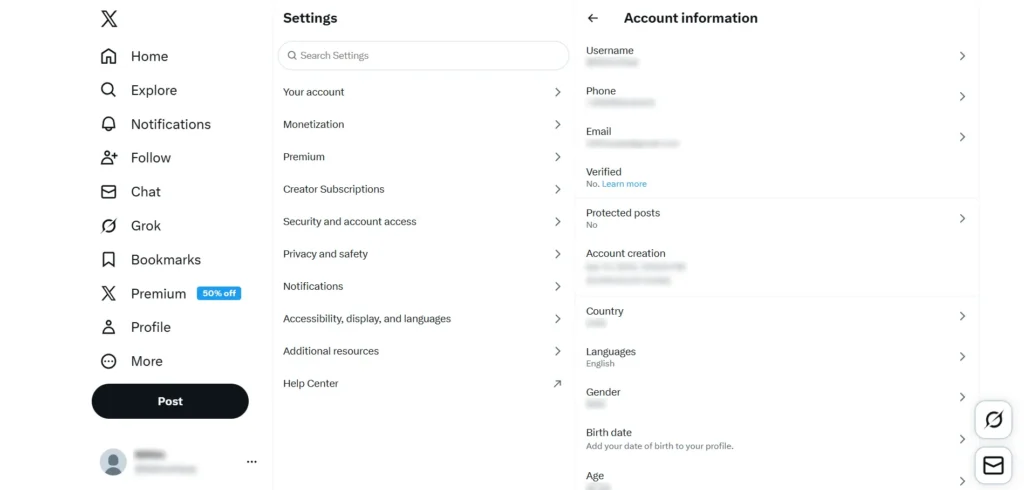
A well-structured profile is the foundation of any effective Twitter presence. Search engines and users both rely on profile details to understand what a business does and what type of content it shares.
Start by creating a clear and keyword focused bio. This description should explain your expertise, services, or niche while naturally including relevant industry terms. Profiles that communicate value clearly are more likely to attract followers and clicks.
Key areas to optimize include:
- Profile name and handle: Choose a name that reflects your brand or topic focus.
- Bio description: Add short but informative details that explain your work and expertise.
- Website link: Direct users to your primary site or a high value landing page.
- Consistent branding: Use the same logo, colors, and messaging across platforms.
- Location or niche indicators: These help audiences understand who the account serves.
Businesses that work with trusted social media marketing agencies improve profile structure because agencies understand how to position brands effectively for both social discovery and search visibility.
A strong profile increases credibility and helps users immediately understand why they should explore your content further.
2. Share Website Content Consistently
Consistency is one of the most important aspects of using Twitter effectively. Regularly sharing website content keeps your audience engaged and ensures that new material reaches people who may benefit from it.
Businesses should focus on sharing a mix of content types, such as:
- Blog posts that answer common questions
- Educational guides and tutorials
- Case studies that highlight results
- Industry insights and research
- Resource pages or downloadable materials
Each tweet should provide context rather than simply dropping a link. A short explanation about what readers will learn encourages more clicks and engagement.
Spacing out content sharing also helps maximize visibility. Instead of posting once and moving on, businesses can reintroduce content with different angles or insights. This allows multiple audience segments to discover the same valuable resource over time.
A steady posting rhythm keeps your brand active and ensures that your content continues reaching new users.
3. Use Relevant Keywords in Tweets
Keywords play an important role in improving discoverability on both social platforms and search engines. When tweets include natural topic related phrases, they become easier for users to find through platform search.
This does not mean stuffing keywords into posts. Instead, focus on writing tweets that naturally describe the content you are sharing. If your article discusses search optimization, content marketing, or analytics, mentioning those themes clearly helps users understand the value of the link.
Some effective approaches include:
- Summarizing the main idea of the content
- Highlighting a useful takeaway or insight
- Asking a question related to the topic
- Including industry terms that people often search for
These practices align well with broader Twitter SEO tips, as they help both algorithms and users recognize the relevance of your content.
Over time, keyword focused tweeting improves visibility across platform searches and encourages people interested in those topics to engage with your posts.
4. Create Threaded Content Around Topics
Threads are one of the most powerful content formats on Twitter. Instead of sharing a single tweet, a thread allows businesses to explain a topic step by step while maintaining audience interest.
Educational threads often perform well because they provide structured information that users can read quickly. When readers find value in a thread, they are more likely to share it with others, expanding its reach.
Effective threads usually include:
- A strong opening tweet that introduces the topic clearly
- Follow up tweets that break down the concept into smaller insights
- Examples, explanations, or tips that add value
- A final tweet linking to a detailed resource or article
Threads increase engagement time because users scroll through multiple tweets in a sequence. This encourages deeper interaction and helps position the brand as knowledgeable in the subject area.
From a visibility perspective, threads often attract more replies and shares, which expands their distribution across the platform.
5. Use Hashtags Strategically
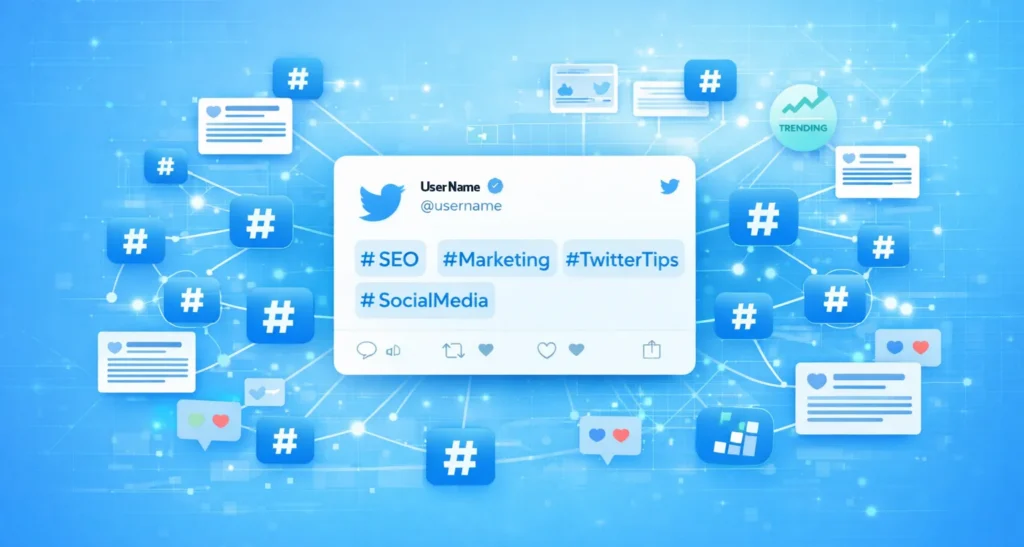
Hashtags help categorize content and make it easier for people to discover tweets related to specific topics. When used correctly, they can significantly increase reach.
The key is balance. Too many hashtags can make a tweet appear cluttered, while too few may limit discoverability. Instead, focus on a few well chosen tags that align with the topic of your content.
Types of hashtags that work well include:
- Industry specific hashtags related to your niche
- Topic focused hashtags that match the content theme
- Event or discussion related hashtags
- Community hashtags used by professionals in your field
Before selecting hashtags, it is helpful to observe which tags your audience uses regularly. This ensures your content appears in conversations that are already active.
Strategic hashtag use helps expand visibility beyond existing followers and introduces your content to new audiences who are searching or browsing those topics.
6. Engage With Industry Conversations
Engagement is a major factor that influences how content spreads on Twitter. Accounts that actively participate in discussions often gain more visibility than those that only share links.
Businesses can join conversations in several ways:
- Replying to industry discussions
- Offering insights on trending topics
- Sharing perspectives on recent developments
- Answering questions from users
When brands contribute meaningful insights, they build trust with their audience. This trust often leads to increased shares, profile visits, and website clicks.
Active engagement also helps brands stay visible within their industry community. People are more likely to remember and follow accounts that consistently participate in valuable conversations.
Over time, this activity strengthens brand recognition and supports broader digital growth.
7. Build Relationships with Influencers and Creators
Collaborating with industry creators and experts can significantly expand the reach of your content. Influencers often have established audiences that trust their recommendations and insights.
Building relationships does not require immediate partnerships. It can begin with simple interactions such as:
- Responding to their posts with thoughtful comments
- Sharing their content when it is valuable
- Mentioning them in relevant discussions
- Participating in shared conversations
As relationships grow, collaborations may develop naturally. These could include joint discussions, shared threads, or mentions in content.
When influential accounts engage with your posts, their audience is more likely to discover your content. This increased exposure can drive more traffic and potentially lead to backlinks from creators who reference your resources.
8. Promote Evergreen Content Regularly
Evergreen content continues to provide value long after it is published. Examples include guides, tutorials, resource lists, and educational articles.
Instead of sharing such content only once, businesses should reintroduce it periodically. This allows new followers and audiences to discover useful resources that may have been posted earlier.
When resharing evergreen material, consider presenting it in different ways:
- Highlight a new insight from the article
- Ask a question related to the topic
- Share a quick summary of key points
- Connect the content to a recent discussion
Regular promotion ensures that valuable content keeps driving traffic and engagement over time.
9. Encourage Content Sharing and Retweets
Engagement signals play a significant role in how far a tweet travels. When users retweet or share content, it reaches entirely new audiences that may not follow your account.
To encourage sharing:
- Write tweets that offer clear value
- Present helpful insights or practical advice
- Use concise but informative messaging
- Invite discussion or opinions
People are more likely to share content that helps their own audience. If your posts provide useful information, followers will naturally distribute them across their networks.
This expanded reach increases visibility and improves the likelihood that new users will visit your website or explore your content.
10. Monitor Performance and Refine Strategy
Tracking performance is essential for improving results over time. Without analyzing data, it becomes difficult to understand which types of tweets drive the most engagement and traffic.
Businesses should regularly review metrics such as:
- Impressions and reach
- Link clicks
- Engagement rate
- Profile visits
- Retweets and replies
Analyzing these metrics helps identify patterns. For example, certain topics may attract more interest, or specific posting times may lead to higher engagement.
By adjusting strategies based on performance data, businesses can steadily increase the effectiveness of their Twitter activity.
Twitter SEO Tools
Several tools can help businesses analyze performance, discover trends, and improve content distribution.
1. X Analytics
X Analytics is a built-in analytics platform that provides insights into impressions, engagement, and audience growth. It helps businesses understand which tweets attract the most attention.

2. Hootsuite
Hootsuite is widely used for scheduling posts, monitoring engagement, and managing multiple social accounts. It also provides analytics that support content planning.
3. Sprout Social
Sprout Social offers detailed performance reports and engagement tracking. Many businesses use it to analyze audience behavior and refine social strategies.
4. TweetDeck
TweetDeck helps manage conversations, track hashtags, and monitor industry discussions in real time. It is useful for staying active in relevant topics.
5. BuzzSumo
BuzzSumo helps identify trending content and influential creators within specific industries. This insight can guide content planning and collaboration opportunities.
To better understand the relationship between engagement and search performance, you can read this guide on how social media engagement influences organic search visibility and rankings.
Conclusion of Twitter for SEO
Using Twitter strategically can significantly improve how content spreads across the internet and reaches new audiences. When businesses focus on valuable posts, consistent engagement, and well-structured profiles, they create an environment where users naturally discover and share their content.
A strong strategy encourages conversations, amplifies useful resources, and introduces new readers to a brand’s expertise. Over time, this visibility supports brand recognition, referral traffic, and stronger online presence.
Ultimately, Twitter for SEO works best when it is part of a long-term approach that combines social engagement with quality content and consistent optimization. Businesses that invest in thoughtful posting, audience interaction, and performance tracking are more likely to build sustainable organic traffic and lasting digital visibility.
Looking for a Social Media Marketing Company to Optimize Your Twitter Profile?
WebDesignCochin is a reputed social media marketing company with expert SEO professionals who help businesses improve their Twitter presence, content visibility, and overall online reach. We develop strategic social media and SEO campaigns that help your business connect with the right audience and drive more traffic to your website. Reach out to us to strengthen your social media and SEO strategy.